Prodevelop S.L. is leading the technical deployment of a digital port call optimization platform at the Ports of Walvis Bay and Lüderitz in Namibia. The work forms part of an 18-month technology demonstration under the Global MTCC Network Phase II project, implemented by the International Maritime Organization and funded by the European Union.
Working in consortium with CENIT, an innovation unit of CIMNE, and local partner WKN Trading Enterprise CC, Prodevelop will configure, integrate and commission the platform within the operational environment of the Namibian Ports Authority, NAMPORT.
The technology being deployed is POSIDONIA OPERATIONS, including its Port Call Optimization (PCO) module. The platform is designed to support the exchange of real-time information among the organizations involved intie a vessel call, including port authoris, terminal operators, shipping agents, pilots, tugboat operators, and other maritime service providers.
“Our role is to configure and integrate the platform so that it reflects the operational processes and information needs of Walvis Bay and Lüderitz. This requires close cooperation with NAMPORT and the wider port community, as the technology must work within the systems and procedures already in place.”
Eduardo Garro, Project Manager, Prodevelop
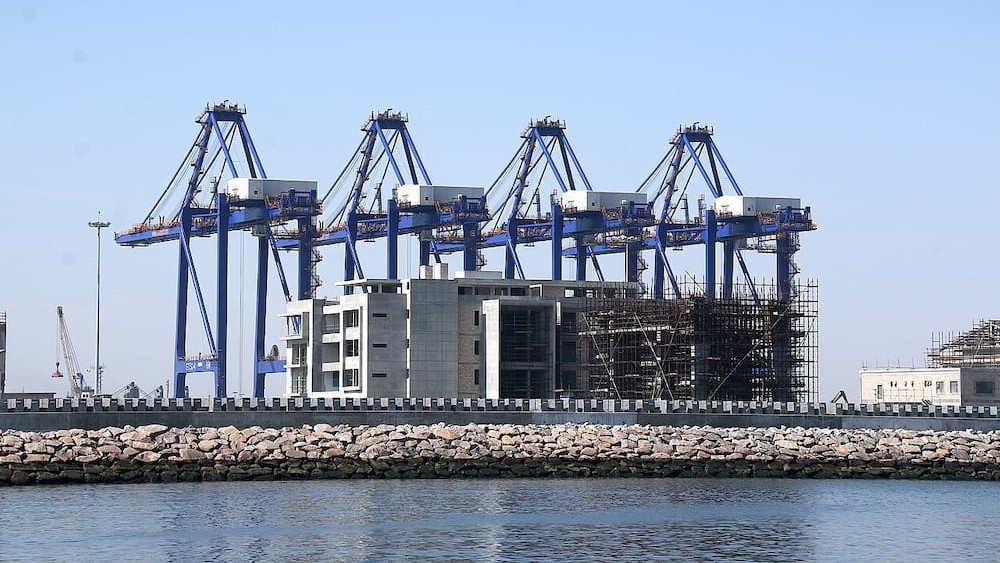
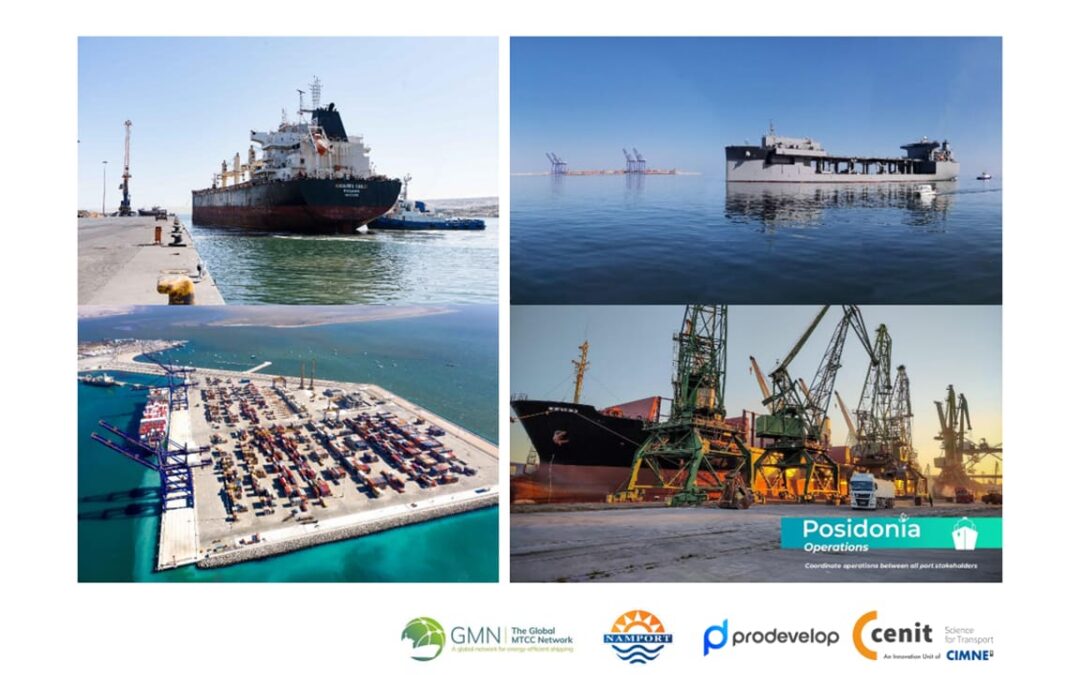
The Port of Walvis Bay, one of two NAMPORT ports where POSIDONIA OPERATIONS will be deployed as part of the port call optimisation pilot in Namibia. Source: Wikimedia Commons (Harbour of Walvis Bay 2018 by Hp.Baumeler / CC BY-SA 4.0)
Supporting a shared view of port operations
A vessel call consists of a series of connected activities, from the vessel’s approach and arrival to pilotage, berthing, cargo operations and departure. Each stage requires information to be exchanged between several organisations.
When different participants rely on separate systems, manual updates or telephone calls, changes in vessel arrival times or berth availability may not be communicated consistently. This can make it more difficult to coordinate port services and update operational plans.
POSIDONIA OPERATIONS is intended to provide participating organisations with a shared view of the status of each vessel call. The platform can collect information from existing port systems and external data sources and present key operational events and timings through a common digital environment.
NAMPORT personnel will be able to follow the status of vessels in or near the port and access information on detected events as the vessel progresses through the port call. The Port Call Optimization (PCO) module will support the exchange of estimated and actual timings, helping participating organisations work with the same updated information.
The platform is designed to support better sequencing and coordination of port activities. The pilot will assess how this information is used in practice and whether it contributes to changes in indicators such as vessel waiting time, idle time and the coordination of port services.
Connecting with existing systems
A central part of Prodevelop’s work will be integrating the platform with NAMPORT’s existing information systems and relevant external data sources.
The project team will first review the systems currently used at Walvis Bay and Lüderitz, the information available within them and the way data are exchanged between operational stakeholders. Potential sources include vessel-position information from the Automatic Identification System, port-management systems, terminal systems and data provided by shipping agents and maritime service providers.
This preparatory work will allow the team to identify which information can be transferred automatically, which information may require manual input and where additional interfaces or adjustments are required.
POSIDONIA OPERATIONS is provided as a cloud-based Software-as-a-Service solution. Interfaces will be configured to allow operational information to be exchanged with relevant systems while applying the agreed access, security and data-management requirements.
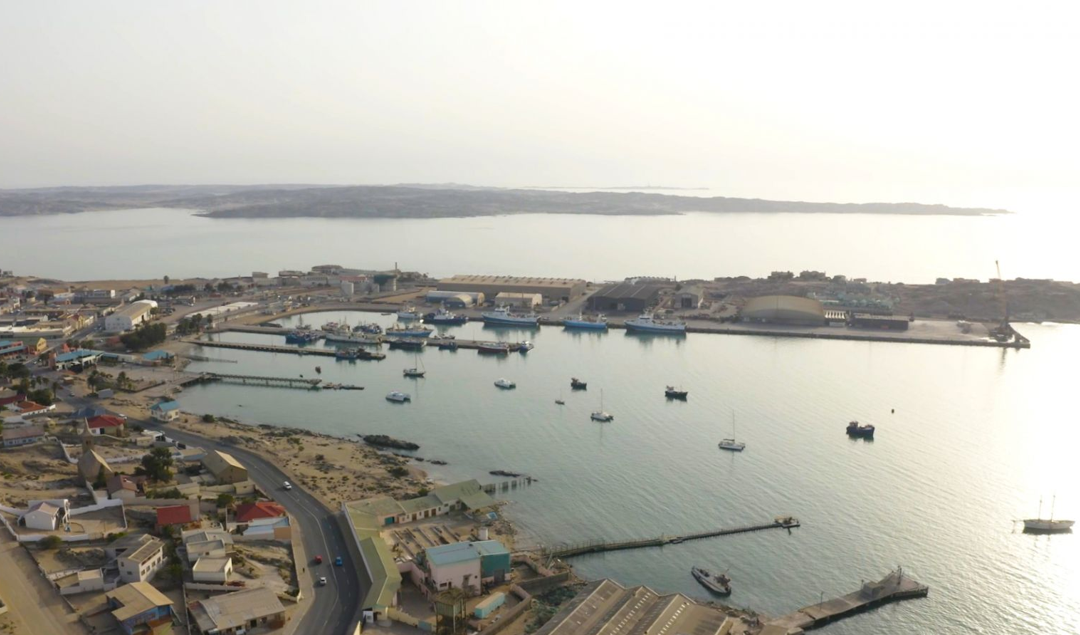
The implementation will also consider differences between Walvis Bay and Lüderitz. Although both ports are operated by NAMPORT, they have distinct operational profiles, stakeholder arrangements and technical requirements. The platform will therefore be configured to reflect the processes and data available at each location.
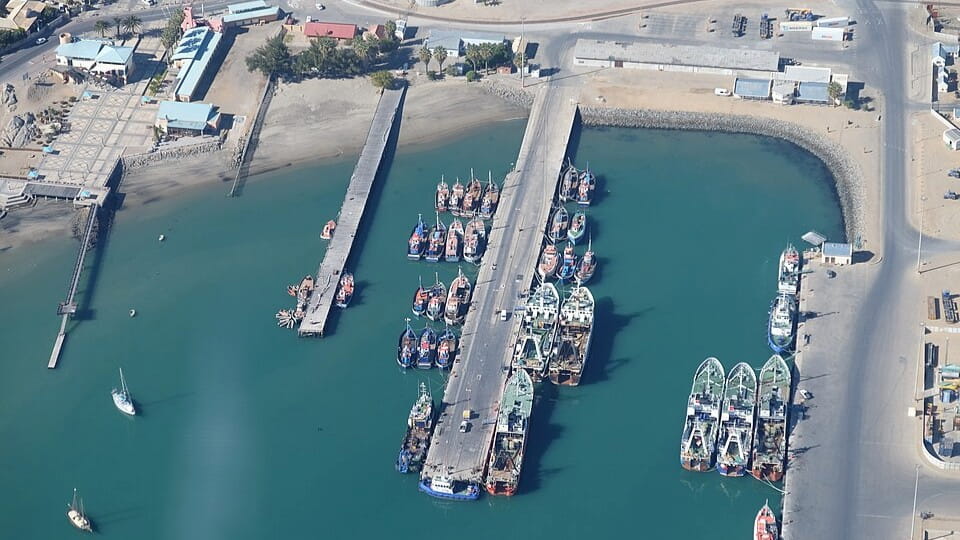
The Port of Lüderitz, where the platform will be configured to reflect the port’s local operational processes, stakeholder arrangements and available data. Source: Wikimedia Commons (Hafen Lüderitz (2016) by Hp.Baumeler & Kurt Zoller / CC BY-SA 4.0)
Using common port call information
The Port Call Optimization (PCO) module is based on the principle that port stakeholders can coordinate more effectively when they have access to a common set of port call information.
This includes expected and actual times for events such as vessel arrival, pilot boarding, berthing, the start and completion of cargo operations and departure. When one of these timings changes, the updated information can be made available to the other participating organisations.
For example, a revised arrival time could help pilots, tugboat operators and mooring teams adjust the timing of their services. Updated information on berth readiness could also help the port and vessel representatives review the planned arrival sequence.
The platform supports standardised data exchange, which is intended to improve interoperability with other port and maritime systems. This is particularly relevant to the project’s longer-term objective of assessing whether the approach could be adapted for use in other port environments.
The pilot will not assume that providing additional data will automatically produce operational or environmental benefits. These will depend on the quality and timeliness of the information, the participation of port stakeholders and the decisions made using the platform.
Installation, testing and commissioning
Following the assessment of existing systems and operational requirements, Prodevelop will configure and install the platform and establish the agreed connections with NAMPORT’s information environment.
Testing will take place at several levels. The technical team will verify that individual functions and interfaces operate correctly before testing the complete system. Operational scenarios will then be used to assess whether vessel information is received, processed and displayed as intended.
NAMPORT staff and other relevant users will participate in acceptance testing. Their feedback will help identify where dashboards, notifications, workflows or system configurations need to be adjusted before commissioning.
The operational demonstration will use real port call data and working processes at Walvis Bay and Lüderitz. This will allow the project partners to assess the platform’s technical performance and its suitability for use within normal port operations.
“Testing with operational users is an important part of the implementation process. Their feedback will help us verify that the information is presented clearly, identify where adjustments are needed and prepare the platform for use during the demonstration phase.”
Eduardo Garro, Project Manager, Prodevelop
Training and knowledge transfer
Prodevelop will also provide training and technical support to NAMPORT personnel.
Training will be adapted to the responsibilities of different users, including operational staff who will use the platform to follow vessel calls and technical personnel responsible for system administration and support.
The sessions will cover the use of the platform, the interpretation of port call information and the importance of keeping operational data accurate and up to date. User manuals and supporting materials will also be prepared.
WKN Trading Enterprise CC will provide local coordination and on-site support, helping facilitate communication with Namibian stakeholders and supporting knowledge transfer throughout the implementation period.
Training and user participation are important because Port Call Optimization (PCO) is based on collaboration between organisations. The value of the platform will depend not only on its technical functions, but also on the consistent involvement of the port-community stakeholders that provide and use the information.
Assessing the platform in operation
Once commissioned, POSIDONIA OPERATIONS will be used during the project’s operational demonstration phase.
The project will collect data on vessel calls and compare selected operational indicators with a pre-project baseline. CENIT will lead the assessment of whether any changes in waiting or idle time are associated with changes in fuel consumption and greenhouse-gas emissions.
Any environmental effects will need to be measured and validated through the project’s monitoring methodology. They cannot be determined solely from the installation of the digital platform.
Prodevelop’s role is therefore not limited to delivering a software product. The company will work with NAMPORT and the other project partners to integrate the platform, adapt it to local requirements, prepare operational users and document the technical lessons arising from the pilot.
The experience at Walvis Bay and Lüderitz will help establish how port call data-sharing technology can be implemented in the Namibian context, what adjustments are required during operational use and which technical and organisational factors should be considered in any future application elsewhere.

.jpg)