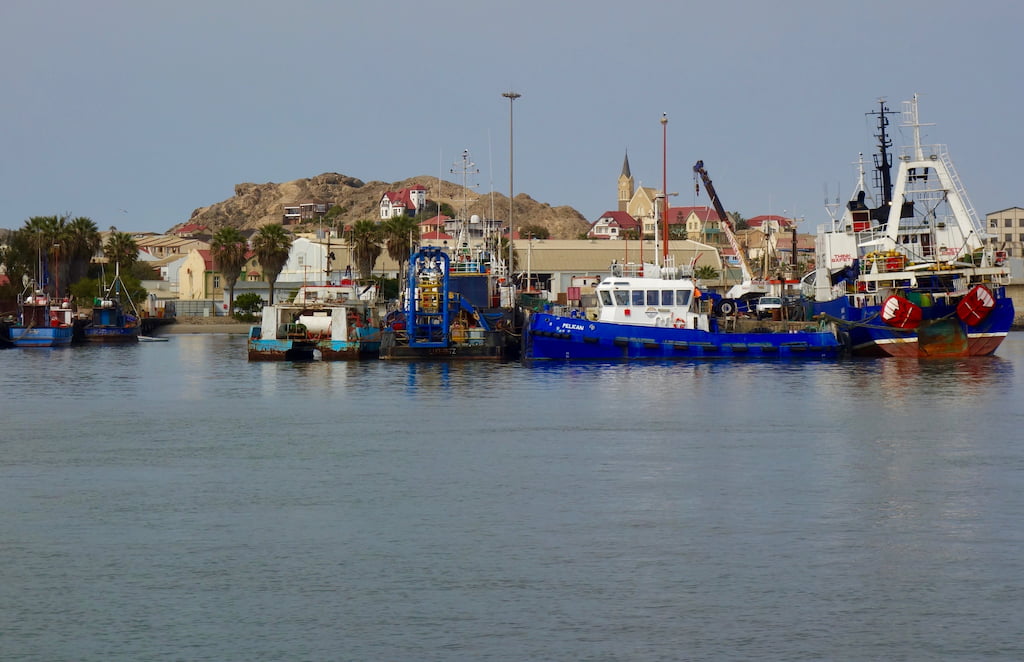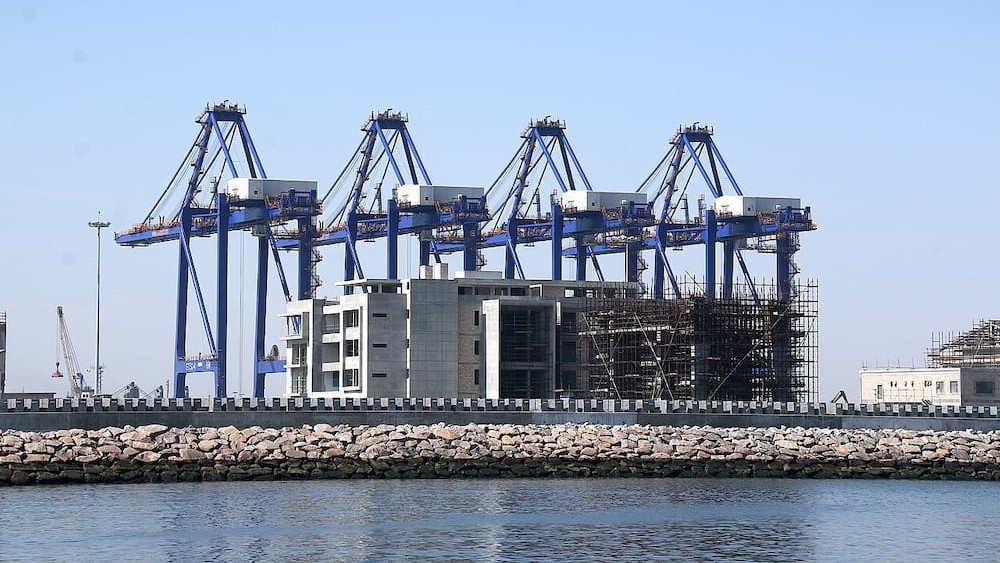
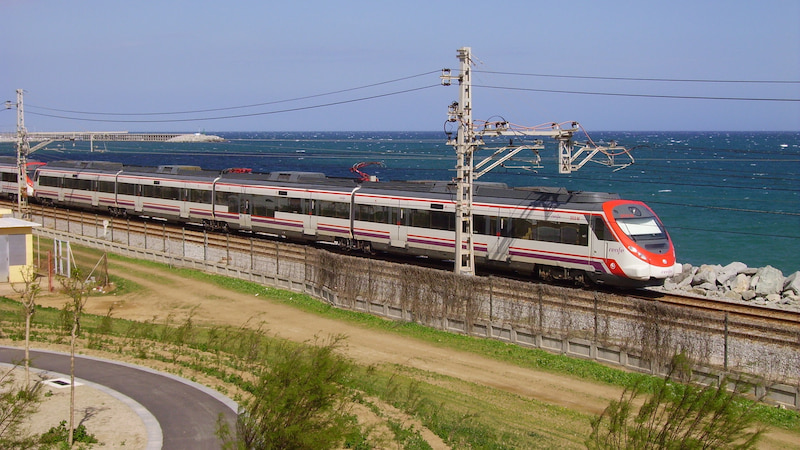
Climate change is placing growing pressure on Mediterranean transport infrastructure, highlighting the urgent need for adaptation and resilient planning. Source: Wikimedia Commons
The CIMNE’s Innovation Unit in Transport (CENIT) and the Centre for Transport Studies for the Western Mediterranean (CETMO), together with the International Union of Railways (UIC), have begun work on a major regional initiative in collaboration with the Union for the Mediterranean (UfM) aimed at strengthening climate change adaptation in transport systems across the Southern and Eastern Mediterranean.
The project will collaborate with governments and transport stakeholders in improving their capacity to anticipate climate risks and develop more resilient infrastructure and policies. By bringing together regional expertise and international cooperation, the initiative seeks to help Mediterranean countries better prepare their transport networks for the growing impacts of climate change.
The initiative will support public administrations and transport stakeholders in seven Mediterranean Arab countries – Algeria, Egypt, Jordan, Libya, Morocco, Mauritania, and Tunisia – with particular emphasis on the Maghreb region, where varying levels of preparedness for climate adaptation present both challenges and opportunities for cooperation.
Addressing Climate Risks in Mediterranean Transport
The Mediterranean basin is experiencing faster and more intense climate change impacts than the global average, posing growing risks to infrastructure, mobility networks, and economic stability. According to the First Mediterranean Assessment Report (MedECC, 2020), extreme weather events such as flooding, coastal erosion, heatwaves, and droughts are already placing significant pressure on transport systems.
These impacts affect nearly every transport mode:
-
- Flooding and storms threaten roads, railways, urban mobility networks, and ports.
- Sea-level rise and stronger wave activity increase the risk of coastal erosion, potentially damaging seaports, airports, and coastal transport corridors.
- Heatwaves and rising temperatures can cause pavement degradation, railway track buckling, and damage to bridges and electrical infrastructure.
- Drought conditions may reduce inland waterway navigability and affect energy supply for electrified rail systems.
Much of the existing infrastructure in the region was designed for historical climate conditions, making it increasingly vulnerable to the evolving environmental realities of the 21st century.
Building Capacity and Regional Cooperation
Running from 2026 to 2028, the initiative will take place in two phases over 27 months. The first phase, which has just begun and will last 15 months, focuses on assessing the current status of climate adaptation in the transport sector and raising awareness among decision-makers.
CENIT and CETMO will lead the preparation of a regional analytical report examining how countries are currently addressing climate risks in transport infrastructure and planning.
This work will be supported by UIC, which will contribute to the elaboration of the report and provide additional international expertise, particularly in the rail sector. The findings will serve as a foundation for future capacity-building activities.
In parallel, the project will organize five awareness-raising conferences across the region. Four will take place in Western Mediterranean countries, while one will be hosted in the Eastern Mediterranean. These events will bring together public officials, infrastructure operators, private sector stakeholders, researchers, and international experts to discuss climate impacts and practical adaptation strategies.
Supporting Regional and Global Climate Commitments
The initiative is closely aligned with several key international and regional frameworks, including:
-
- The Union for the Mediterranean Regional Transport Action Plan (RTAP) to 2027
- The United Nations 2030 Agenda and Sustainable Development Goals
- The Paris Agreement on climate change
- The European Green Deal and Sustainable and Smart Mobility Strategy
- Spain’s Master Plan for Cooperation for Sustainable Development (2024–2027)
It is also supported through the “Masar al’an / Masar ahora” regional cooperation programme of the Spanish Agency for International Development Cooperation (AECID), which promotes sustainable development and climate resilience across Arab countries.
A Platform for Knowledge and Policy Development
Beyond awareness raising, the project will help strengthen institutional and technical capacities in partner countries. Planned activities include fostering countries’ participation in existing working groups, task forces and committees on transport adaptation to climate change, as well as in specific and ad hoc seminars and workshops.
These platforms will facilitate the exchange of knowledge, tools, and methodologies for vulnerability assessments, risk analysis, and policy development, enabling governments to integrate climate resilience into transport planning and infrastructure investment.
By fostering collaboration between public authorities, research institutions, private operators, and international organizations, the initiative aims to build a strong regional network of expertise capable of responding to the increasing challenges posed by climate change.
Project Leadership
The project is being implemented under the coordination of the Union for the Mediterranean Secretariat in Barcelona, which will oversee progress and ensure alignment with regional policy frameworks.
The work is led by a multidisciplinary team of experts from CENIT and CETMO, combining expertise in transport planning, climate adaptation, risk assessment, and capacity building.
CETMO Project Manager Enric Pons highlighted the importance of early action and regional cooperation as the work begins:
“Transport networks are the backbone of economic and social connectivity across the Mediterranean, yet they are increasingly exposed to climate risks. Through this initiative, we aim to ensure that the urgent need to act on Mediterranean transport systems in response to climate change reaches decision-makers and key stakeholders in a coherent and effective manner, promoting climate adaptation as a short-term priority and contributing to the development of reliable and resilient transport systems.”
Looking Ahead
The first key milestone of the project will be the publication of the Report on the Status of Transport Adaptation to Climate Change in the region, expected by mid-2026. This document will provide a comprehensive overview of current policies, vulnerabilities, and adaptation measures across participating countries.
Following the report’s release, the project will move into its conference phase, creating opportunities for governments and sector stakeholders to discuss findings, share experiences, and explore practical adaptation solutions.
With climate pressures on Mediterranean infrastructure continuing to grow, initiatives such as this represent an important step toward future-proofing transport systems and strengthening regional resilience.