
Solid and fluid simulation for Industrial Processes
Industrial Manufacturing Processes
Principal Investigator
Michele Chiumenti

Overview
Research
Staff
Projects
CIMNE’s Industrial Manufacturing Processes Group develops advanced computational tools for simulating casting, welding, additive manufacturing, and sheet forming. Their software (VULCAN, WELDPACK, ADD2MAN, STAMPACK, HP4FSW) enables high-precision process optimization, bridging academic research and industrial applications worldwide.
The Industrial Manufacturing Processes Research Group at CIMNE specializes in the development of cutting-edge computational methods for the thermo-mechanical modelling and nonlinear analysis of advanced manufacturing processes.
Leveraging finite element techniques, the group pioneers high-fidelity simulations of complex industrial applications—including casting, welding, additive manufacturing, and sheet metal forming—to optimize process efficiency, reduce defects, and enhance material performance.
Core developments are implemented in two in-house finite element platforms: COMET, tailored for high-accuracy academic research, and FEMUSS, designed for robust industrial deployment. Both frameworks incorporate advanced finite element formulations for isochoric and large deformation problems, a comprehensive library of constitutive models including viscoelastoplasticity, damage mechanics, small and large strain plasticity as well as multiphysics features such as thermal coupling and phase-change analysis.
Key commercialized software solutions—such as VULCAN (casting), CLICK2CAST (mold filling), WELDPACK (welding), ADD2MAN (additive manufacturing), HP4FSW (friction stir welding), and STAMPACK (sheet forming)—demonstrate the group’s success in translating theoretical advancements into industry-ready tools. By bridging high-performance computing with real-world manufacturing challenges, the group drives innovation in sectors ranging from automotive and aerospace to energy and heavy machinery, ensuring sustainable, cost-effective production methodologies for the future.
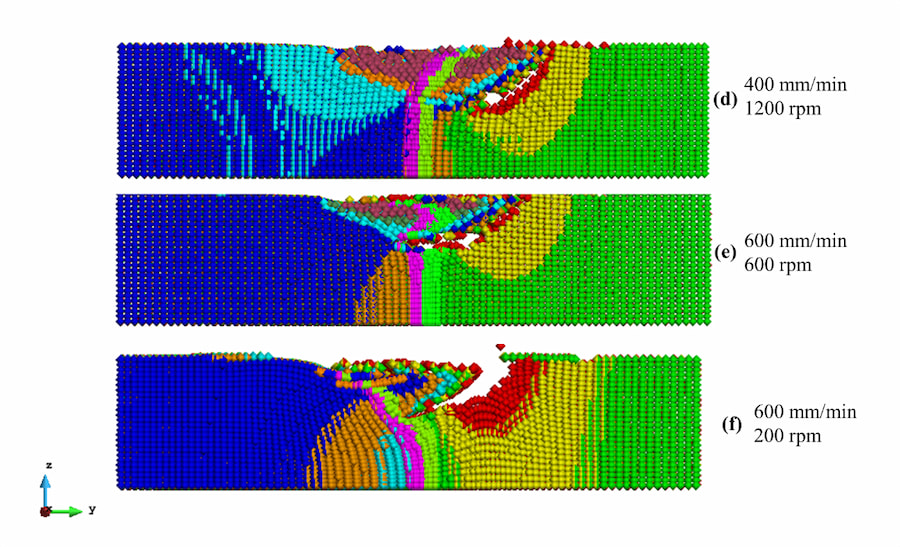
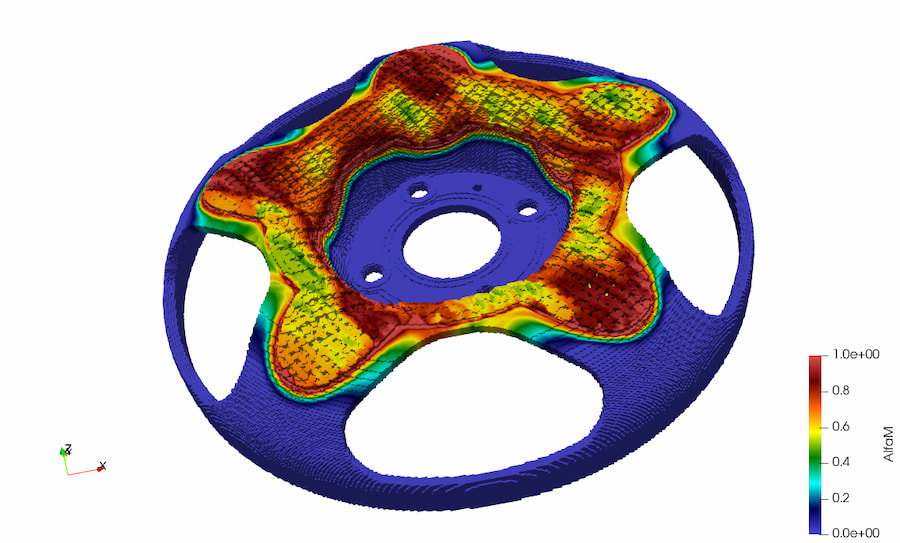
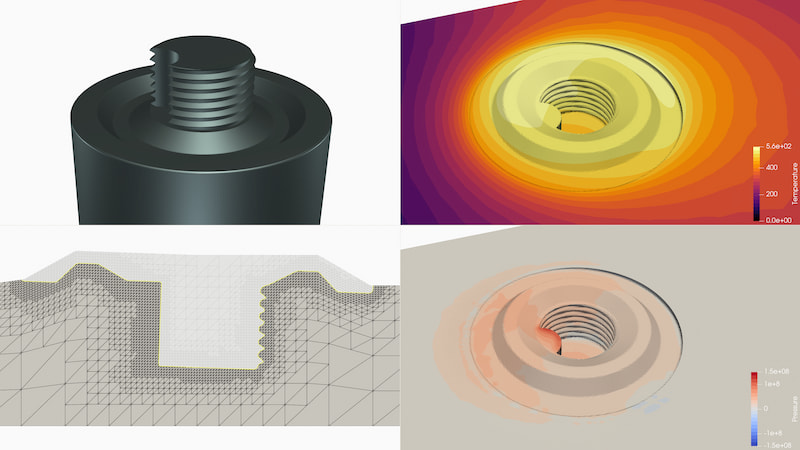
Research areas
Advanced Manufacturing Processes
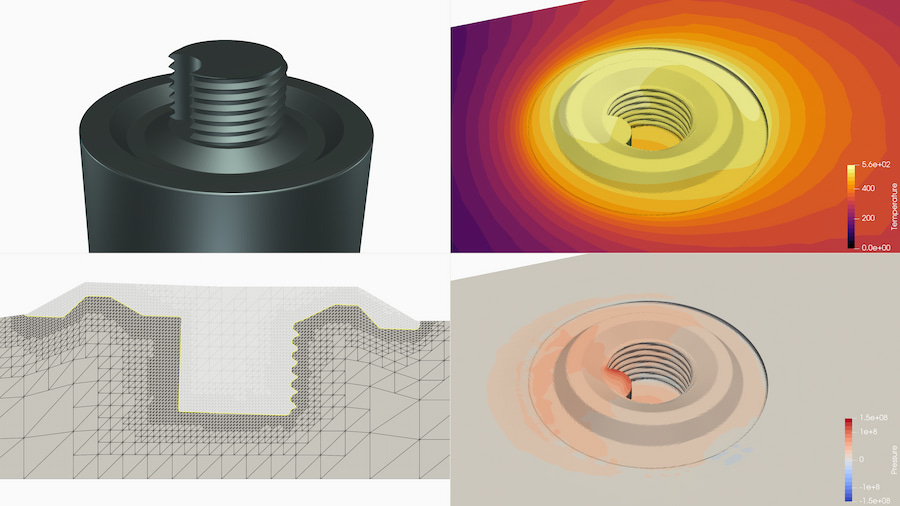
The IMP Group develops efficient computational tools with reliable predictive capabilities for the enhanced-accuracy and high-fidelity simulation of multi-physics and multi-scale Advanced Manufacturing Processes. The current focus is on processes involving metallic alloys and polymers.
Related to this research line, the IMP Group develops Advanced thermo-mechanical algorithms and Advanced mixed finite element technologies.
Fields of application include Additive Manufacturing, Friction Stir Welding, Electron Beam Welding, Shaped Metal Deposition, Casting processes, and Metal Forming
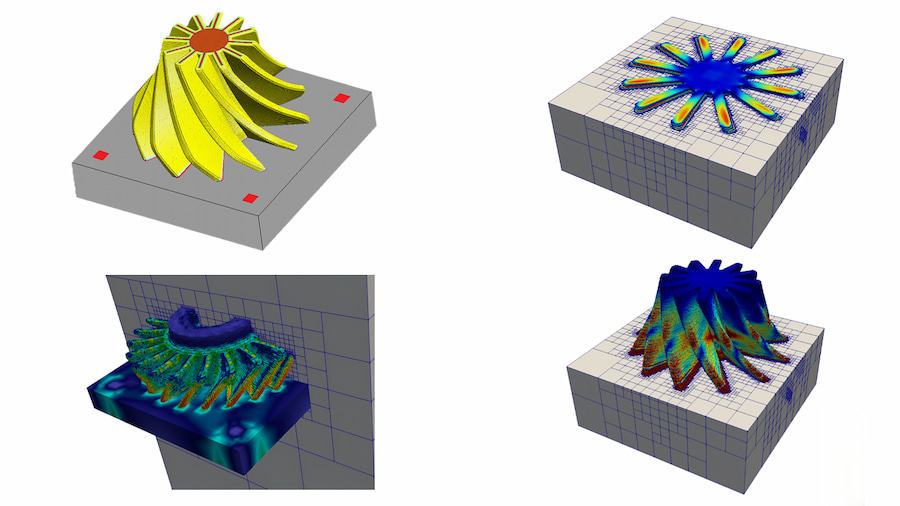
Constitutive Modeling and Computational Failure Mechanics
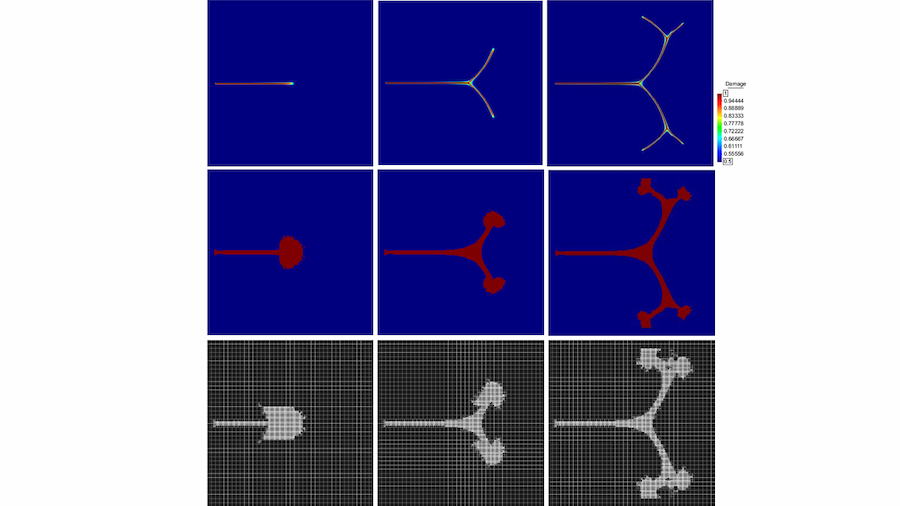
The IMP Groups develops new constitutive models appropriate for mechanical and civil engineering materials. These include isotropic and orthotropic plasticity models appropriate for metallic and polymeric industrial parts and components and damage models for civil engineering structures.
Related to this research line, the IMP group also develops Advanced Computational Procedures for the Assessment of Mechanical Performance and Failure Analysis of structures and components. These include optimization of fabrication procedures, analytical and numerical determination of failure loads and mechanisms, etc.
Featured Projects
WeldPilot
High-performance simulation tool for Friction Stir Welding. Enables accurate, fast and predictive modelling for defect detection and process optimization in industrial applications.
ADD2MAN
High-performance simulation platform for industrial-scale metal AM. Combines adaptive HPC, G-code workflows, and AI-driven process optimization to improve quality, reduce costs, and accelerate part qualification.
Ongoing projects
Finished projects
Related news
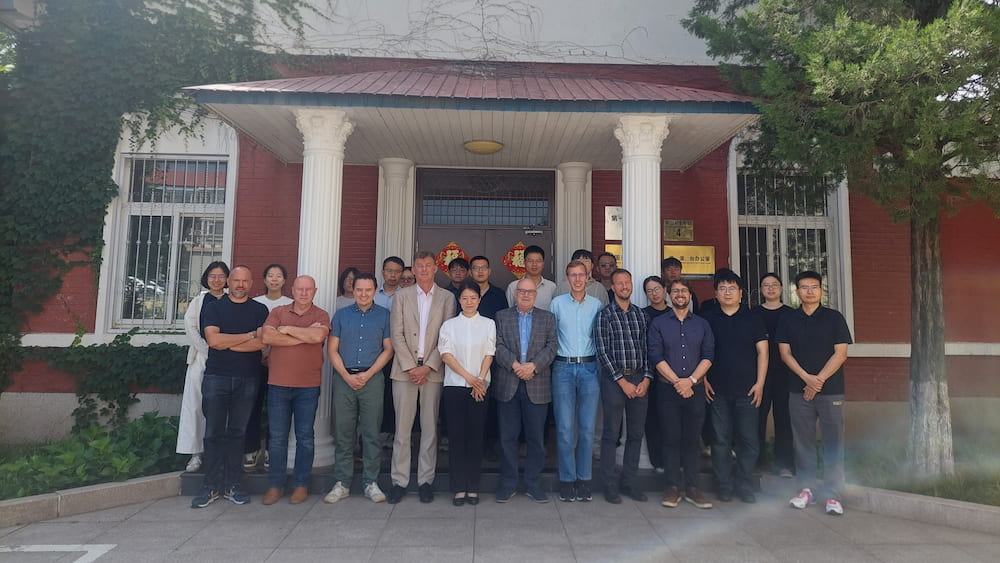
CIMNE strengthens aeronautical research cooperation in Beijing
Last week, a delegation from CIMNE (International Centre for Numerical Methods in Engineering) visited BIAM (Beijing Institute of Aeronautical Materials) and CAE (Chinese Aeronautical Establishment) in Beijing, China. The institutional visit aimed to strengthen...
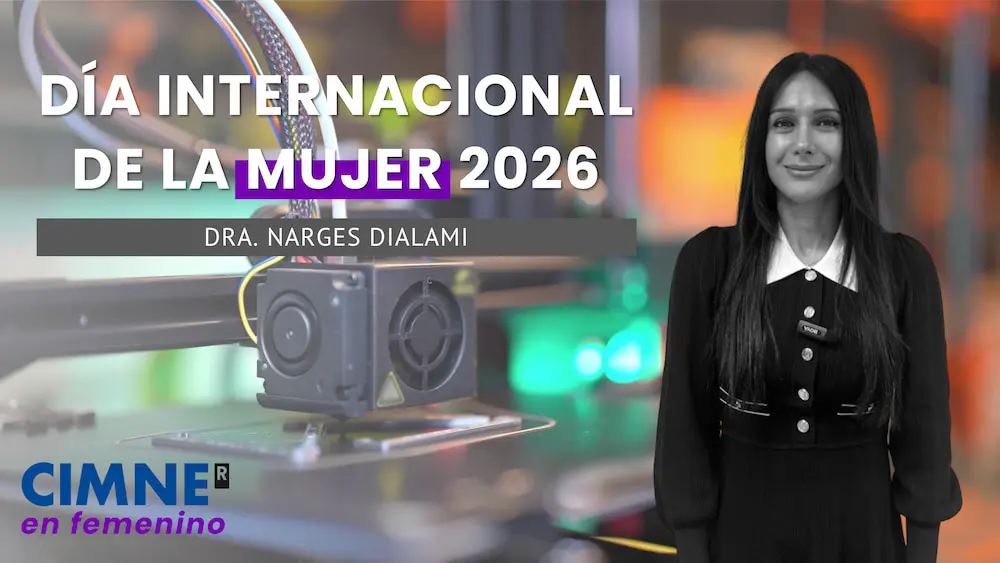
8M: Women Leading Industrial Innovation
On the occasion of International Women’s Day 2026, we interviewed Dr Narges Dialami, professor at the Universitat Politècnica de Catalunya (UPC) and researcher affiliated with the Solid and Fluid Simulation for Industrial Processes cluster at CIMNE. Dr Narges Dialami...