
Machine Learning and models in Hydro-Environmental Engineering
FLUMEN Institute

Overview
Research
Staff
Projects
Publications
The River Dynamics and Hydrologic Engineering group, based at FLUMEN (CIMNE/UPC), conducts advanced research in river hydraulics and hydrology through numerical modelling, lab-scale experimentation, and decision-support tools for sustainable river basin and flood risk management.
The River Dynamics and Hydrologic Engineering Research Group at CIMNE, based at the FLUMEN Institute of CIMNE and the Technical University of Catalonia – BarcelonaTech (UPC), conducts advanced research and technology transfer in the fields of river hydraulics, hydrology, and environmental engineering.
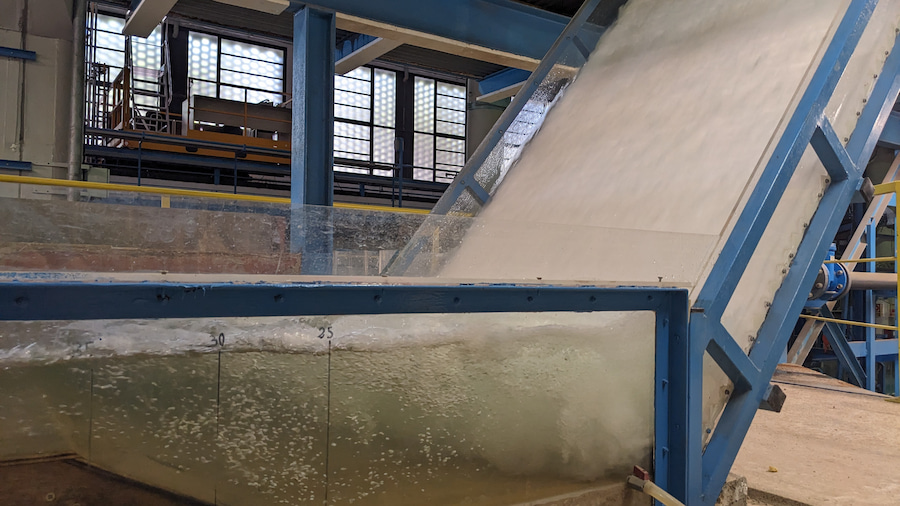
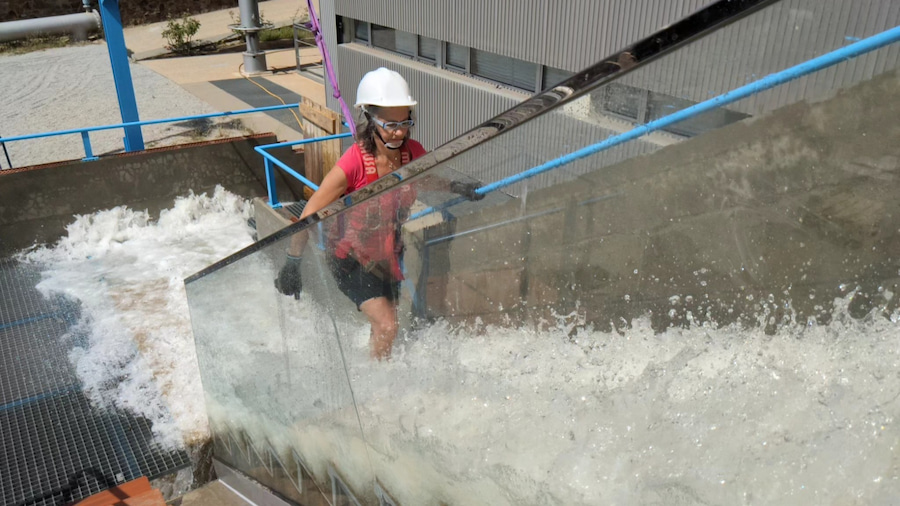
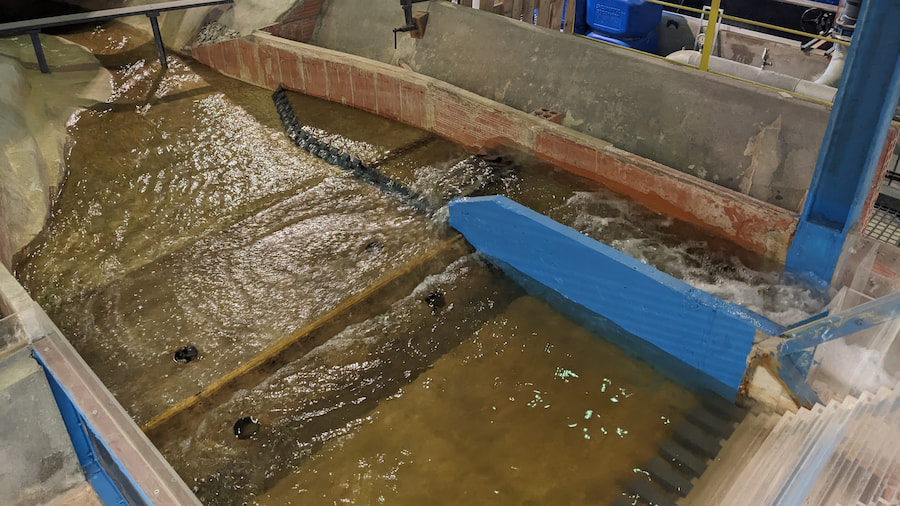
The group integrates CIMNE’s expertise in numerical methods with FLUMEN’s strong background in hydraulics, sediment transport, flood modelling, and water resources management. Research activities combine high-fidelity numerical simulations with experimental testing in FLUMEN’s state-of-the-art laboratory facilities ─next to CIMNE’s headquarters in UPC’s Barcelona Campus Nord─ which support physical modelling of river flows, sediment dynamics, and hydraulic structures.
The group contributes to the development of innovative decision-support systems for integrated river basin management and flood risk mitigation.
With a consolidated presence in both academic and applied domains, the group plays a leading role in advancing knowledge and delivering solutions to real-world challenges in water and environmental systems.
Research areas
River hydrodynamics
-
- Settlements and land use concerning flood risks
- Solid transport and river geomorphology
- Transport of non reactive substances
- River rehabilitation
- Preservation and rehabilitation of wetlands
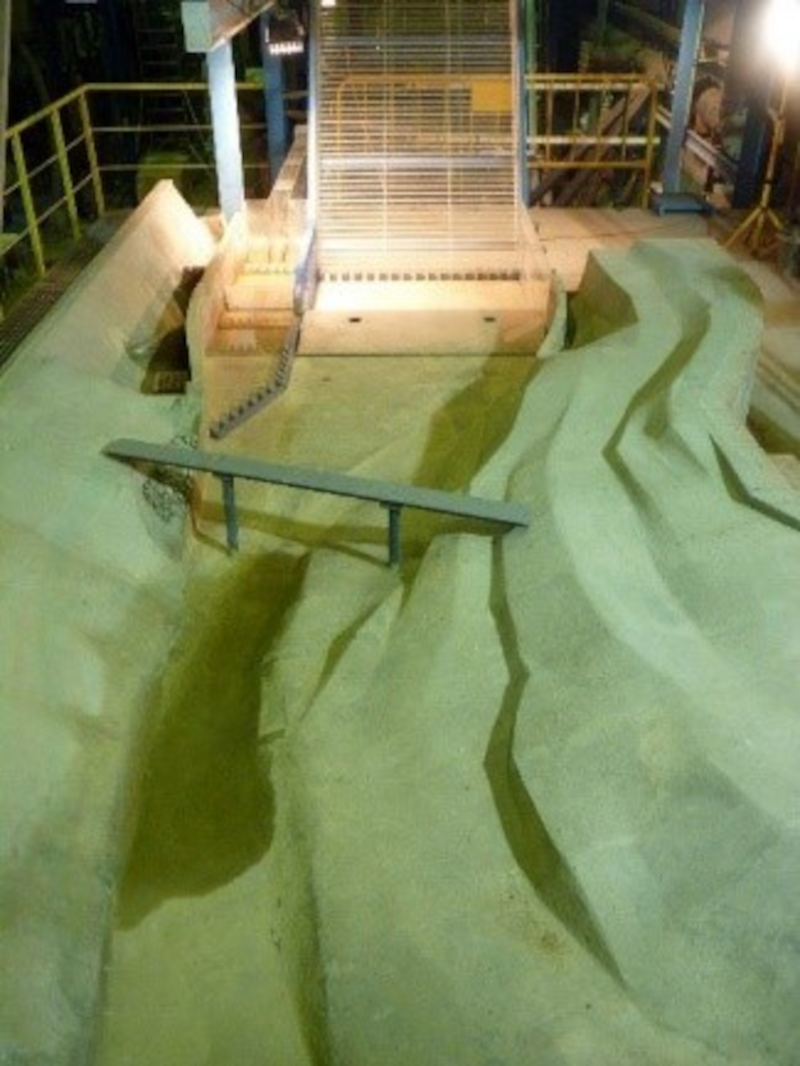
Urban Hydrology
-
- Urban drainage: sewer network/surface runoff. Inlets
- Pollutant load in urban hydrology
- Flood risks in urban areas
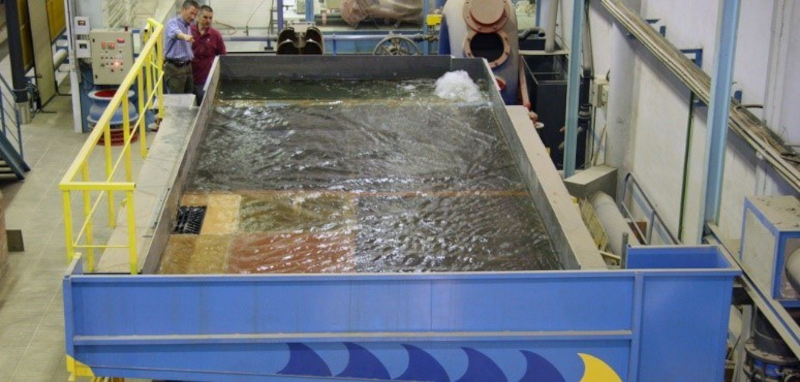
Reservoir dynamics
-
- Thermal and hydrodynamic behaviour
- Sediment and nutrients dynamics
- Reservoir impact on river dynamics. Corrective measures
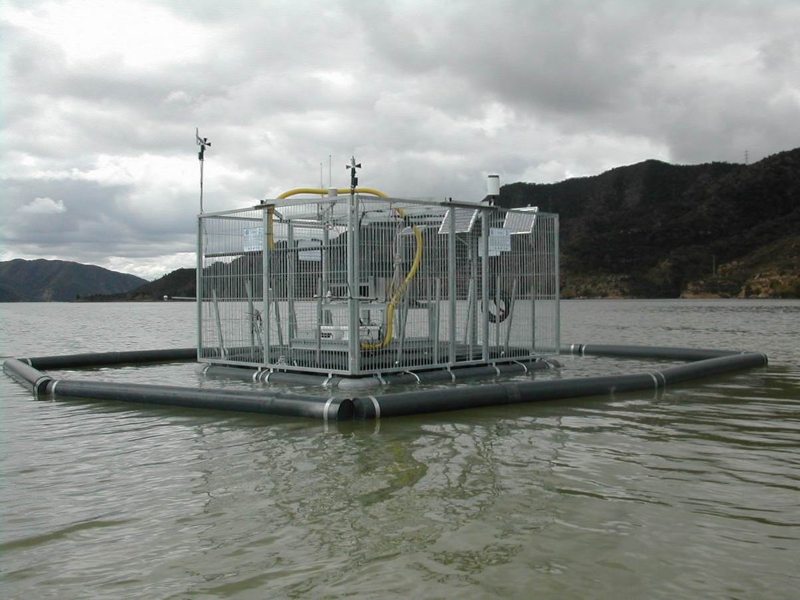
Dam hydraulics
-
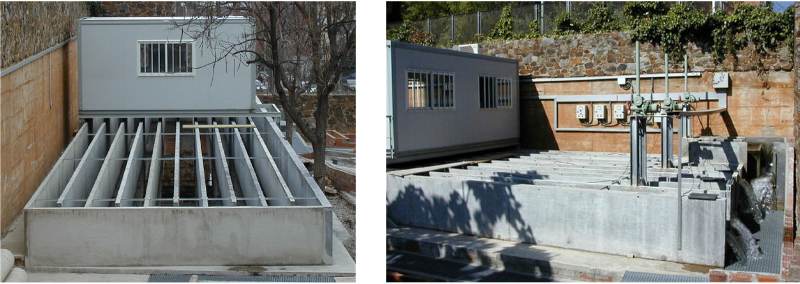
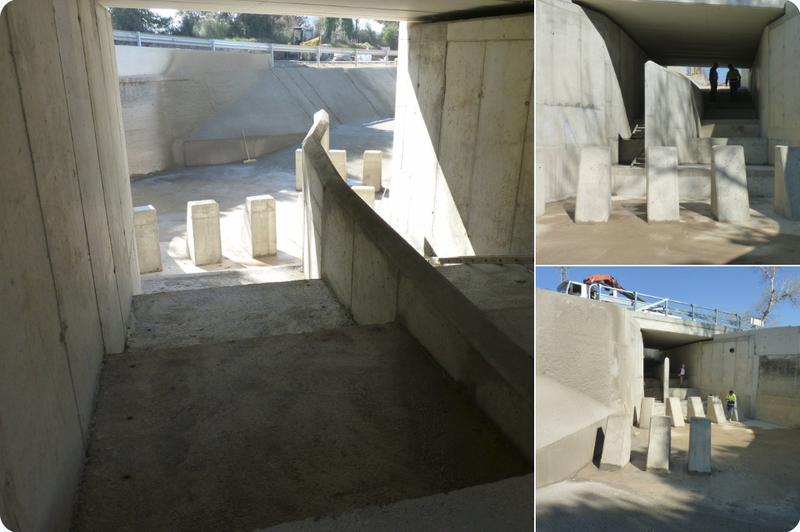
- New designs for spill-flows
- Spills over crest”
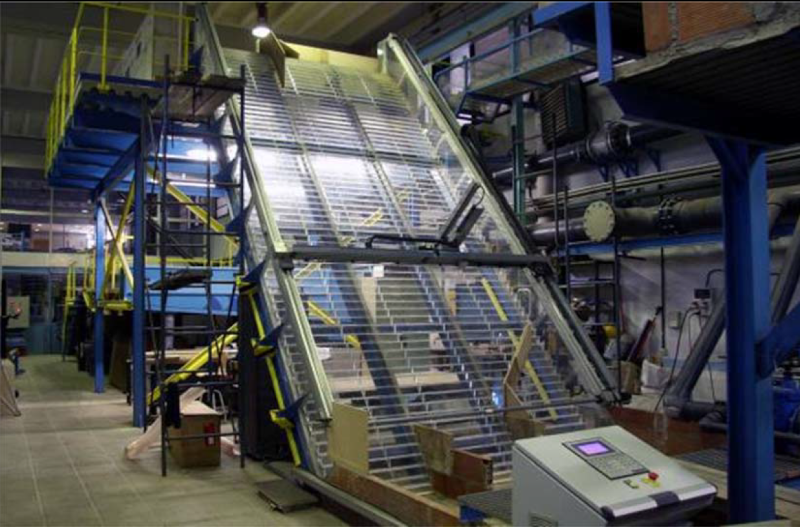
Irrigation canals exploitation
-
- Automatic control algorithms
- Control structure and lateral storage
Development of methodologies for using remote sensing in the study of the thermal and hydrodynamic behaviour of water bodies
-
- Flood areas definition
- Superficial temperature of river and reservoirs
- Characterization of vegetation in flooded areas
Flow-soil-structure interaction
-
- New numerical methods based on the integration particles technique with discrete element methods and finite elements
- Stability and safety of structures under hydraulic influences (water)
Group Leaders
Innovation Developer
Innovation Trainee
Ongoing projects
Finished projects
catalan
Role of hydraulic parameters in the concentration and spatial distribution of heavy metals in sediments in a two-stage reservoir
Scientific Reports, vol (16), 2026, 10.1038/s41598-026-38103-8
Breaking the jam: Bridge wood-jam break during a flash flood in a Mediterranean river, insights from hydrodynamic modeling and post flood observations
Journal of Hydrology: Regional Studies, vol (63), 2026, 10.1016/j.ejrh.2025.103032
An analysis of rheological models for lahar modelling with Iber
Revista Mexicana de Ciencias Geologicas, vol (42), pp (160-169), 2025, 10.22201/igc.20072902e.2025.3.1882
Interpretation of a Machine Learning Model for Short-Term High Streamflow Prediction
Earth (Switzerland), vol (6), 2025, 10.3390/earth6030064
Influence of breach parameter models on hazard classification of off-stream reservoirs
Water Science and Engineering, vol (18), pp (102-114), 2025, 10.1016/j.wse.2024.05.001
Hybrid physically based and machine learning model to enhance high streamflow prediction
Hydrological Sciences Journal, vol (70), pp (311-333), 2025, 10.1080/02626667.2024.2426720
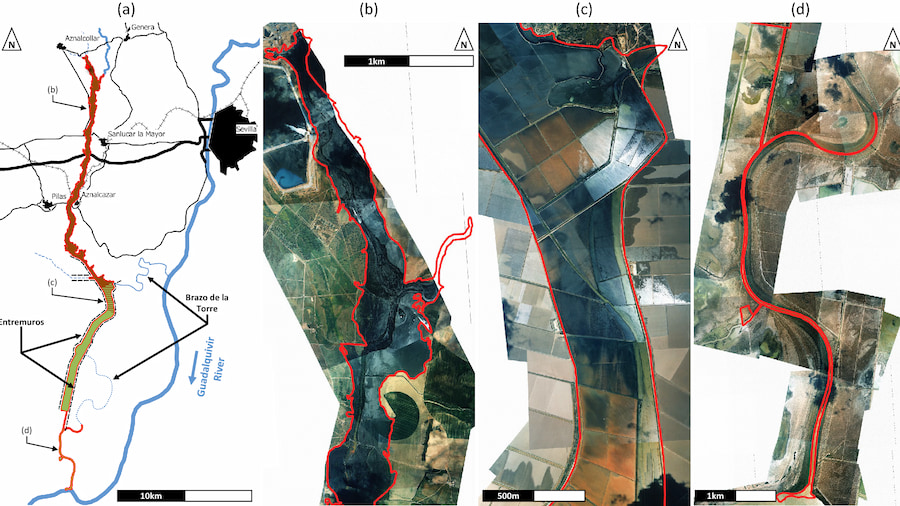
Reconstructing the Spill Propagation of the Aznalcóllar Mine Disaster
Mine Water and the Environment, vol (43), pp (491-510), 2024, 10.1007/s10230-024-01000-5
Extension of Iber for Simulating Non–Newtonian Shallow Flows: Mine-Tailings Spill Propagation Modelling
Water (Switzerland), vol (16), 2024, 10.3390/w16142039
Potential effects of internal dam-break in Stare Miasto Reservoir in Poland
Journal of Hydrology: Regional Studies, vol (53), 2024, 10.1016/j.ejrh.2024.101801
ACROPOLIS: A graphical user interface for classification of risk for off-stream reservoirs using machine learning
SoftwareX, vol (26), 2024, 10.1016/j.softx.2024.101657
Delineation of riparian areas based on the application of two-dimension hydraulic modelling
Science of the Total Environment, vol (920), 2024, 10.1016/j.scitotenv.2024.170809
Optimizing sediment transport models by using the Monte Carlo simulation and deep neural network (DNN): A case study of the Riba-Roja reservoir
Environmental Modelling and Software, vol (175), 2024, 10.1016/j.envsoft.2024.105979
Related news
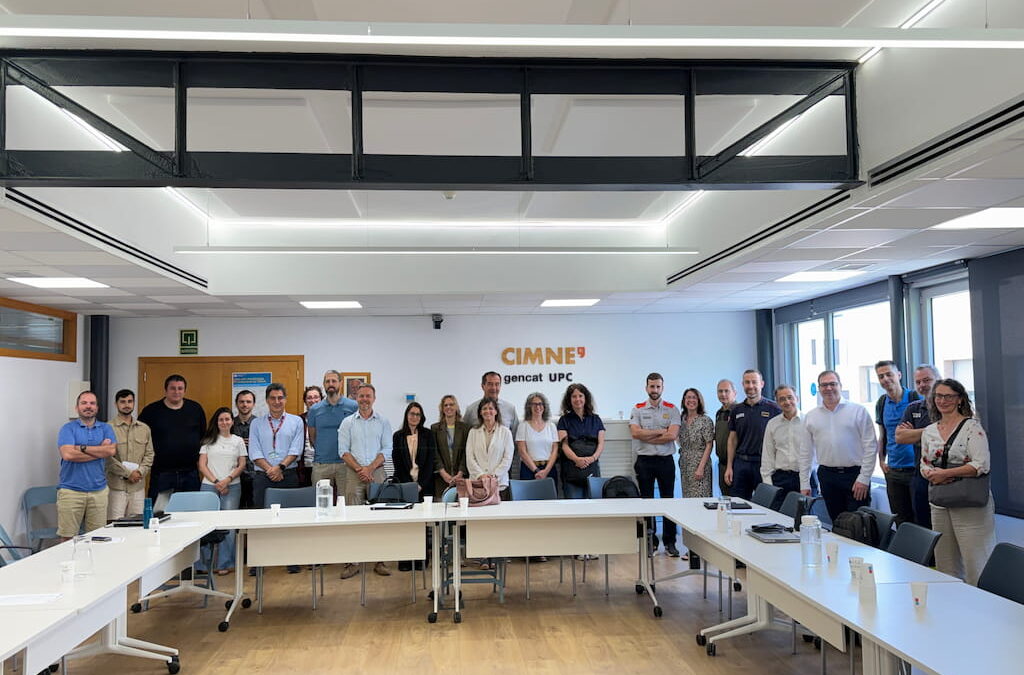
CIMNE and the Catalan Ministry of Home Affairs and Public Safety Explore Collaboration in Emergency Management and Civil Protection
CIMNE and the Catalan Ministry of Home Affairs and Public Safety held a meeting to explore collaboration in emergency management and civil protection, aligning advanced computational research with public safety expertise to strengthen Catalonia’s resilience.
CIMNE experts use Machine Learning to streamline reservoir risk assessment
Researchers at CIMNE's Machine Learning in Civil Engineering Research Group and the Flumen Institute have developed a new machine-learning based tool to classify off-stream reservoirs based on their potential risk of rupture. The work, carried out as part of the...