Research

Computational engineering to tackle global challenges.

Cimne menu projects

Discover our latest research projects

Innovation

Delivering tangible solutions for the benefit of all.

Cimne menu nuclear

See how advanced simulation enhances nuclear safety

Community

A thriving network of global innovators, thinkers, and life-long learners in numerical methods.

Cimne menu unesco

Learn how the UNESCO Chair in Numerical Methods spearheads frontier innovation in the Global South

About

We are a pioneering research and innovation centre in computational engineering, founded in 1987.

Cimne menu people

People at CIMNE: Meet the talent that makes it possible.

See how advanced simulation enhances nuclear safety

Learn how the UNESCO Chair in Numerical Methods spearheads frontier innovation in the Global South

News

Back

CIMNE researchers publish a paper in the American scientific magazine “International Journal for Uncertainty Quantification”

Jun 3, 2021

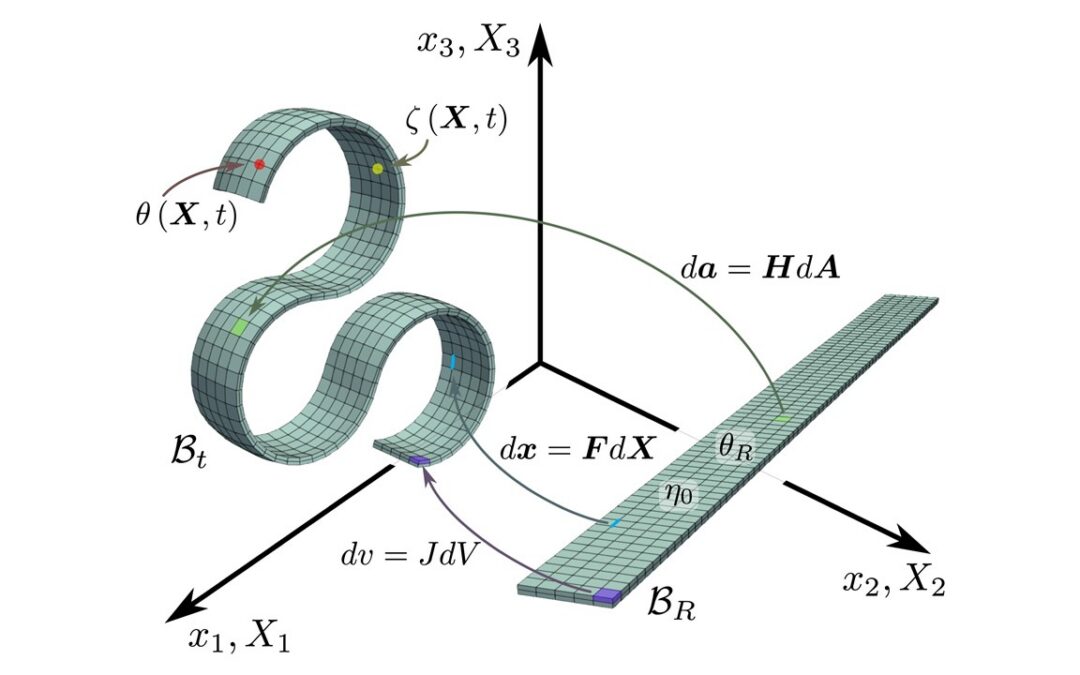
CIMNE researchers Santiago Badia, Jerrad Hampton and Javier Príncipe from the Large Scale Scientific Computing group have recently published the paper Embedded multilevel monte carlo for uncertainty quantification in random domains” in the american scientific magazine International Journal for Uncertainty Quantification, edited by the Begell House.

Abstract

The multilevel Monte Carlo (MLMC) method has proven to be an effective variance-reduction statistical method for uncertainty quantification (UQ) in partial differential equation (PDE) models. It combines approximations at different levels of accuracy using a hierarchy of meshes whose generation is only possible for simple geometries. On top of that, MLMC and Monte Carlo (MC) for random domains involve the generation of a mesh for every sample.

KEY WORDS: multilevel Monte Carloembedded methodsuncertainty quantificationtopological uncertaintygeometric uncertaintystochastic partial differential equationsrandom geometry

Related News

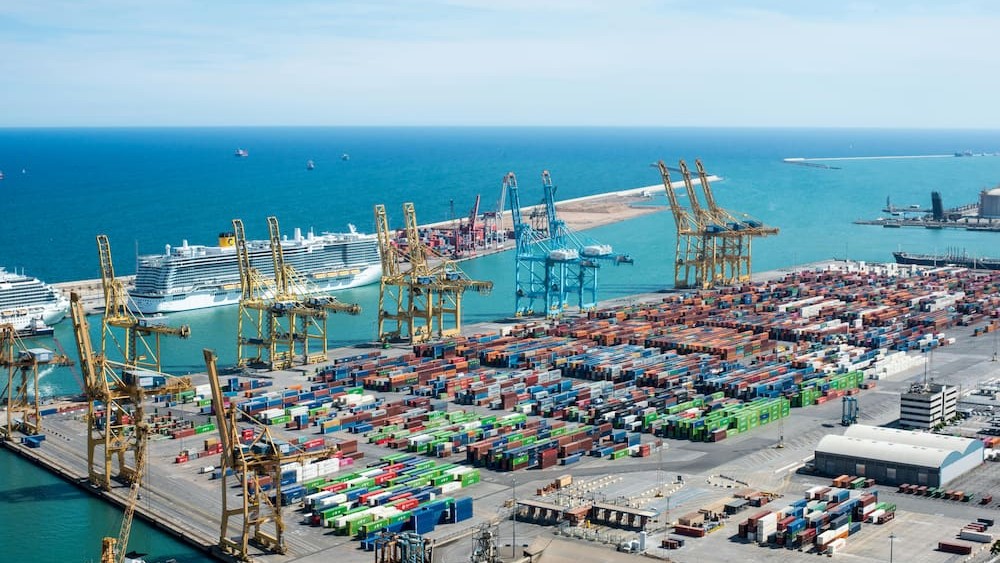
New study helps ports identify strategic uses for digital twins

New study helps ports identify strategic uses for digital twins

Digitalisation is reshaping the maritime sector, and ports are increasingly adopting advanced technologies such as artificial intelligence, IoT, and data-driven tools to improve efficiency, safety, and sustainability. In this context, digital twins are emerging as a...

Tags

Share: