

Research Cluster
Geomechanics and Hydrogeology
Contact Point
Sebastià Olivella
Academic Leaders
Eduardo Alonso Pérez De Agreda, Jordi Corominas Dulcet, Alessandra Di Mariano Simoncini, Antonio Gens Sole, Sebastian Olivella Pastallé, Núria Mercè Pinyol Puigmartí, Ivan Puig Damians, Anna Ramon Tarragona, Enrique Edgar Romero Morales, Xavier Sánchez-Vila, Daniel Tarragó Munté, Jean Vaunat.
External Advisors
Bernhard Schrefler, Simona Perotto
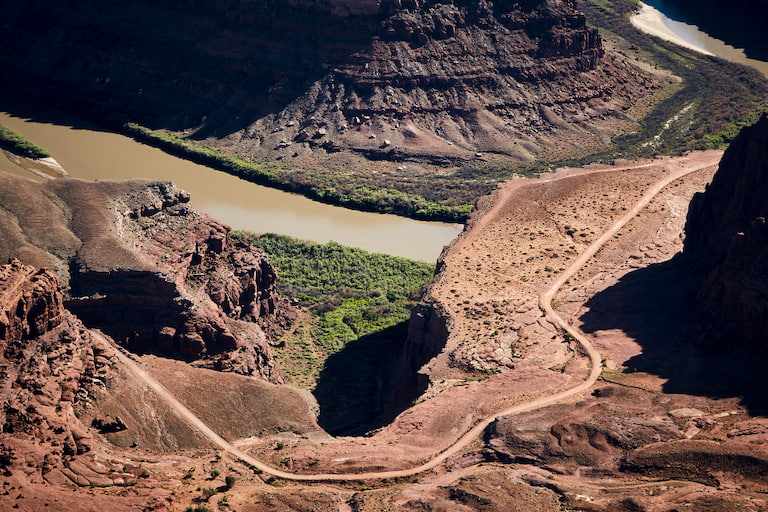
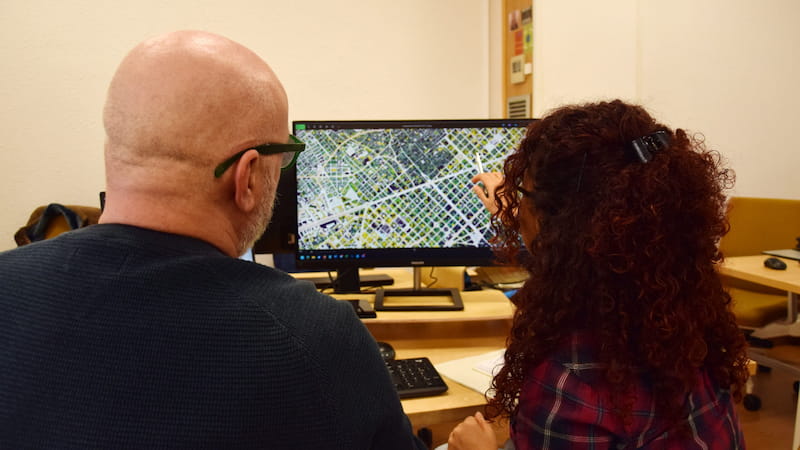
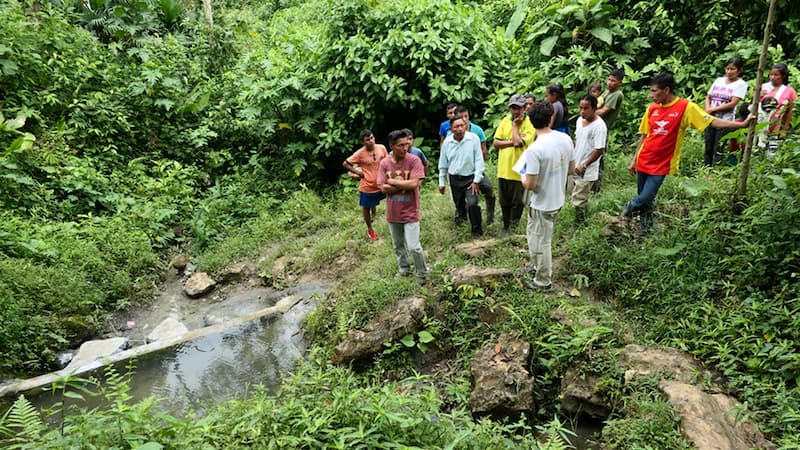
The Geomechanics and Hydrogeology Research Cluster at CIMNE advances computational modeling of soil and rock behavior, with emphasis on coupled THMC processes in porous media. Their research supports engineered solutions for underground structures, groundwater management, and environmental challenges.
The Geomechanics and Hydrogeology Research Cluster at CIMNE pioneers advanced computational modeling and experimental techniques to understand the complex behavior of soil and rock. Their expertise centers on coupled thermal, hydraulic, mechanical, and chemical (THMC) processes in porous media, with applications spanning both scientific research and engineering practice.
The cluster develops sophisticated numerical tools like CODE_BRIGHT to analyze and predict material behavior in challenging geotechnical contexts. Current research priorities include modeling gas flow patterns and THM phenomena in geological media—with particular focus on heterogeneity effects and preferential flow paths—and advancing the integration of geochemistry with THM simulations through object-oriented programming approaches..
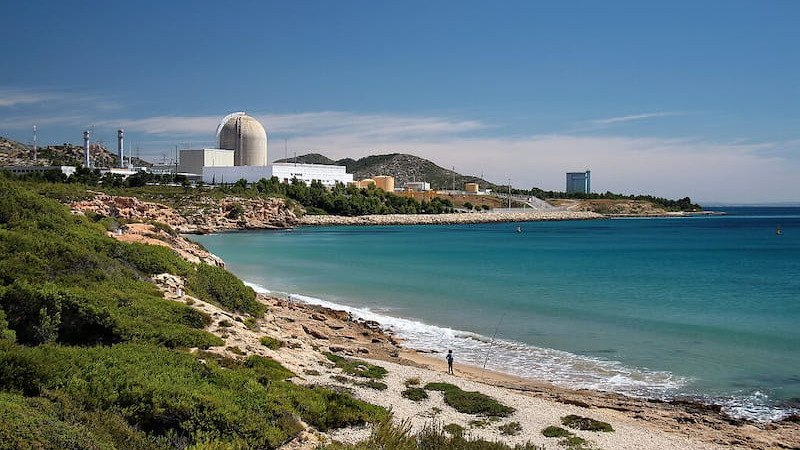
The cluster’s work supports diverse applications from civil engineering projects (tunnels, dams, retaining walls) to critical environmental challenges such as nuclear waste isolation, energy storage, and carbon sequestration. By combining fundamental research with practical engineering solutions, experts in this cluster contribute to safer, more sustainable underground structures and improved groundwater resource management, addressing both current industry needs and emerging global challenges in geoenvironmental engineering.
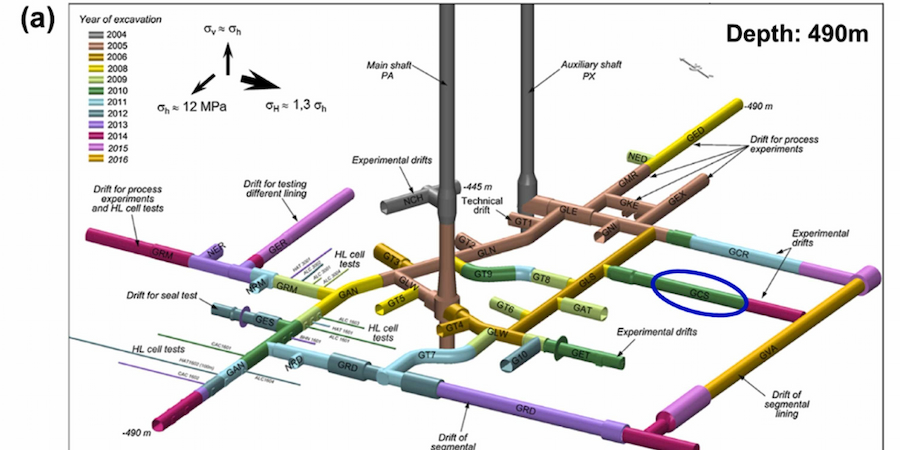
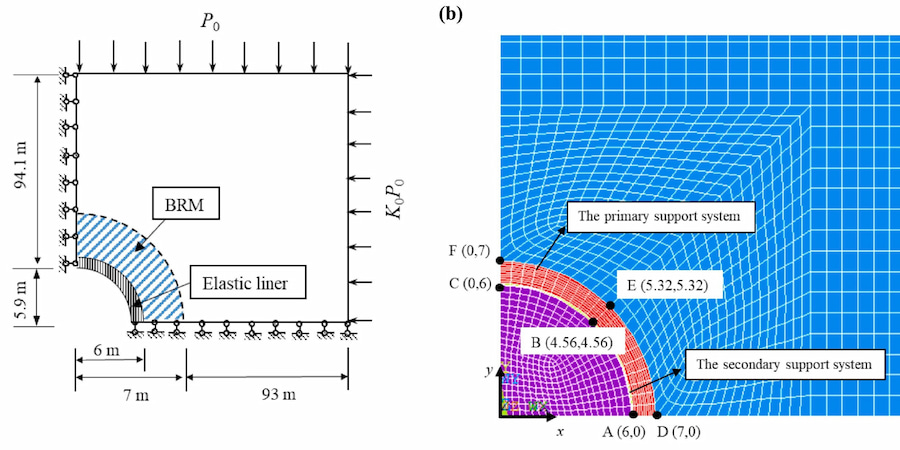
Ongoing projects
Finished projects
Related news
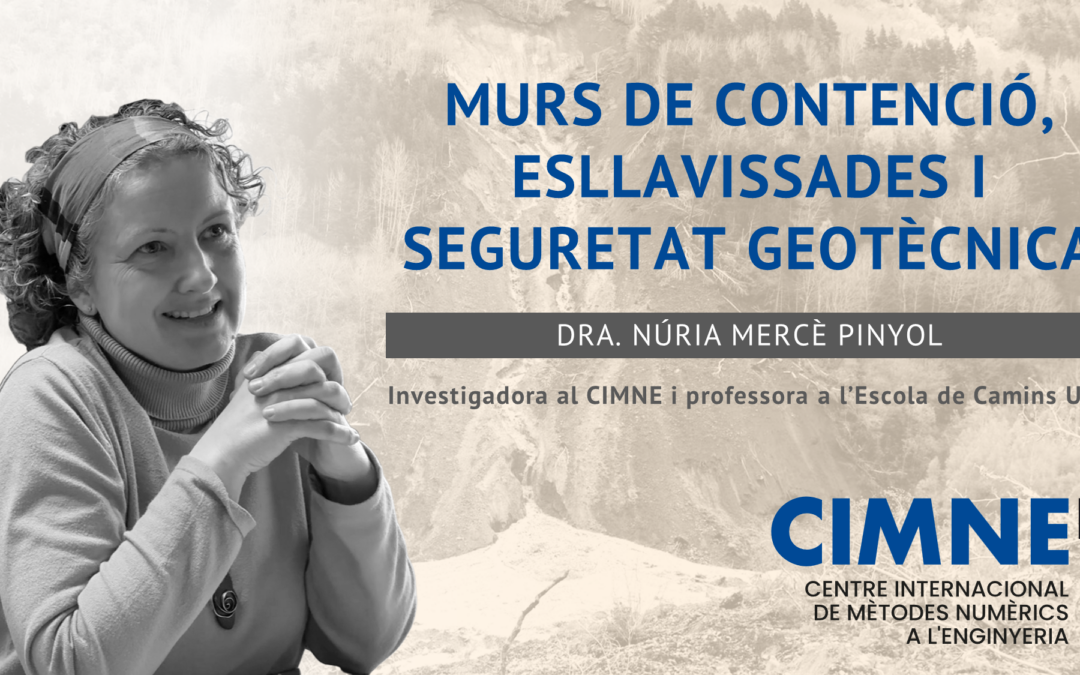
Retaining walls, landslides and geotechnical safety: Dr Pinyol explains the risks and tools to prevent them.
The persistent rainfall that fell in Catalonia in January 202 led to tragic situations, such as the Gelida rail accident caused by the collapse of a retaining wall, as well as landslides in other parts of the commuter network. We speak with Dr Núria M. Pinyol, a...
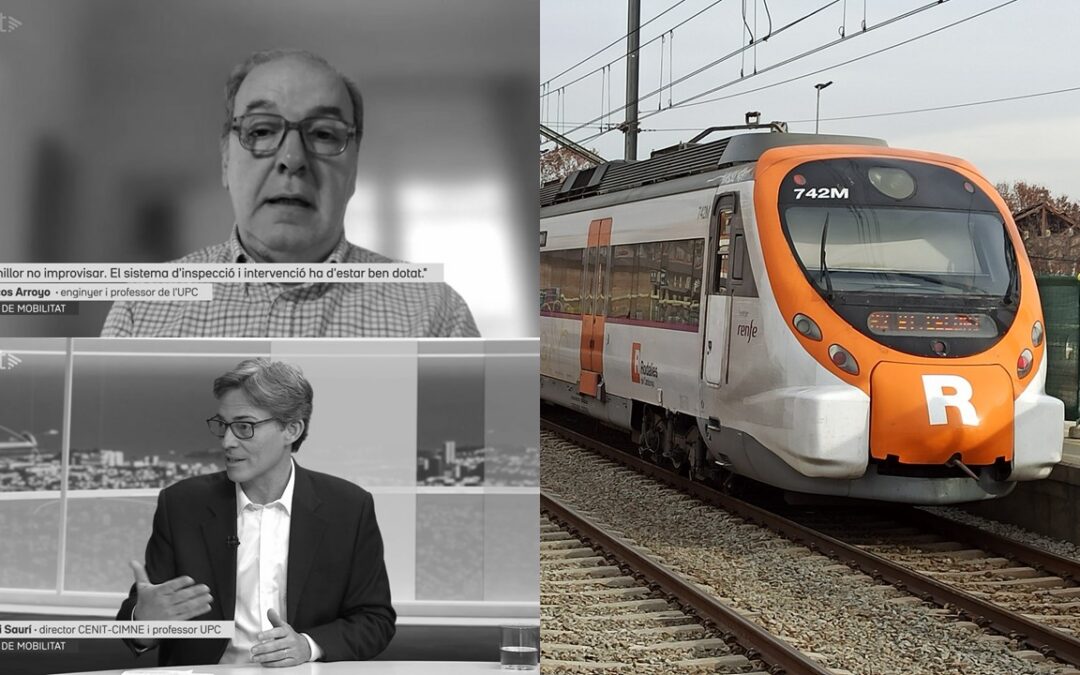
Complex orography, ageing infrastructure and lack of capacity: CIMNE experts warn of the fragility of commuter rail network in Catalonia
On Tuesday, 27 January 2026, in Gelida, Catalonia, a commuter train collided with a retaining wall that is believed to have come loose due to heavy rain. The accident resulted in one fatality, a trainee driver, and 37 people were injured. As a result of the incident,...