

Research Cluster
Aeronautical, Marine, Automotive and Energy Engineering
Contact Point
Xavier Martinez
Academic Leaders
Lucía G. Barbu, Gabriel Bugeda, Ester Comellas, Álex Ferrer, Xavier Martínez, Enrique Ortega, Fermín Otero, Jacques Francis Periaux, Jordi Pons-Prats, Borja Servan.
External Advisors
Spencer Sherwin, Michael Kleiber, Josef Eberhardsteiner
Research groups
- Aeronautics
Jordi Pons Prats - Marine and Offshore Engineering
Borja Serván Camas - Composites and Advanced Materials for Multifunctional Structures
Fermín Otero
Overview
Staff
Projects
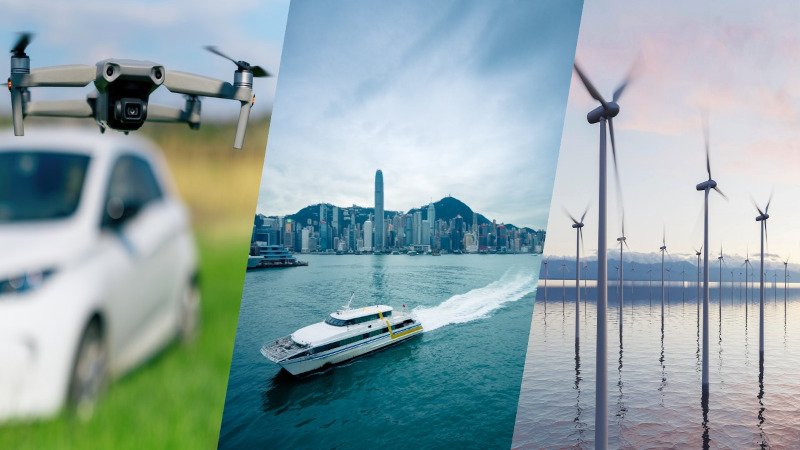
The Aeronautical, Marine, Automotive and Energy Engineering Research Cluster develops numerical models for aerospace, marine, automotive, and energy challenges through thermo-mechanical structural simulations, fluid-structure interaction, and performance optimization to create environmentally sustainable transportation solutions.
The cluster specializes in developing advanced numerical frameworks to address complex challenges across the aerospace, oceanic and marine engineering, automotive, and energy sectors. Its expertise encompasses thermo-mechanical analysis, fluid-structure interaction, and performance optimization to create innovative solutions that balance technical excellence with environmental sustainability.
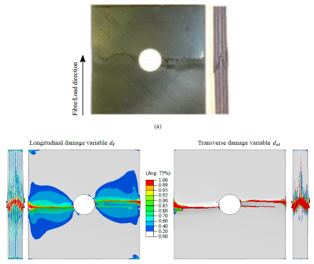
Recent achievements include the development of digital models for ocean energy converters, advanced formulations for simulating composite materials, topological optimization techniques, and fatigue simulation algorithms. The cluster is also active in the design of flow control devices for aeronautical and wind energy applications, as well as in design optimization for air transport infrastructures and operations, such as airports and vertiports in the emerging Urban Air Mobility (UAM) paradigm.
The cluster employs reduced-order modeling (ROM) algorithms for real-time performance prediction of complex large-scale components and integrates machine learning and artificial intelligence into material and structural design processes. With a strong focus on reducing CO₂ emissions and dependence on fossil fuels, the cluster pioneers research in carbon-neutral materials, morphing materials with adaptive capabilities, and virtual testing techniques that minimize physical laboratory requirements.
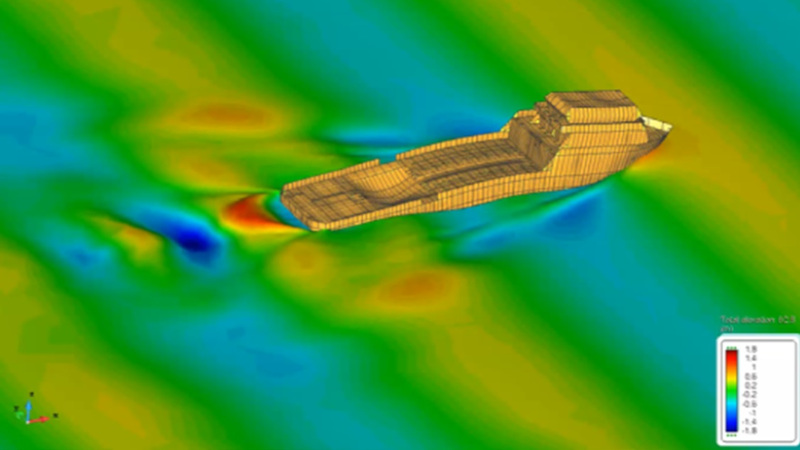
Emerging areas of interest include CFD simulations of multi-rotor urban air mobility vehicles, aerodynamic noise propagation analysis around transportation infrastructure, fully coupled hydroelastic and integrated load analyses of ships and floating structures, machine-learning-based advanced fatigue algorithms that account for manufacturing effects, and the integration of innovative self-repairing materials into next-generation structural applications.
Ongoing projects
Finished projects
Related news
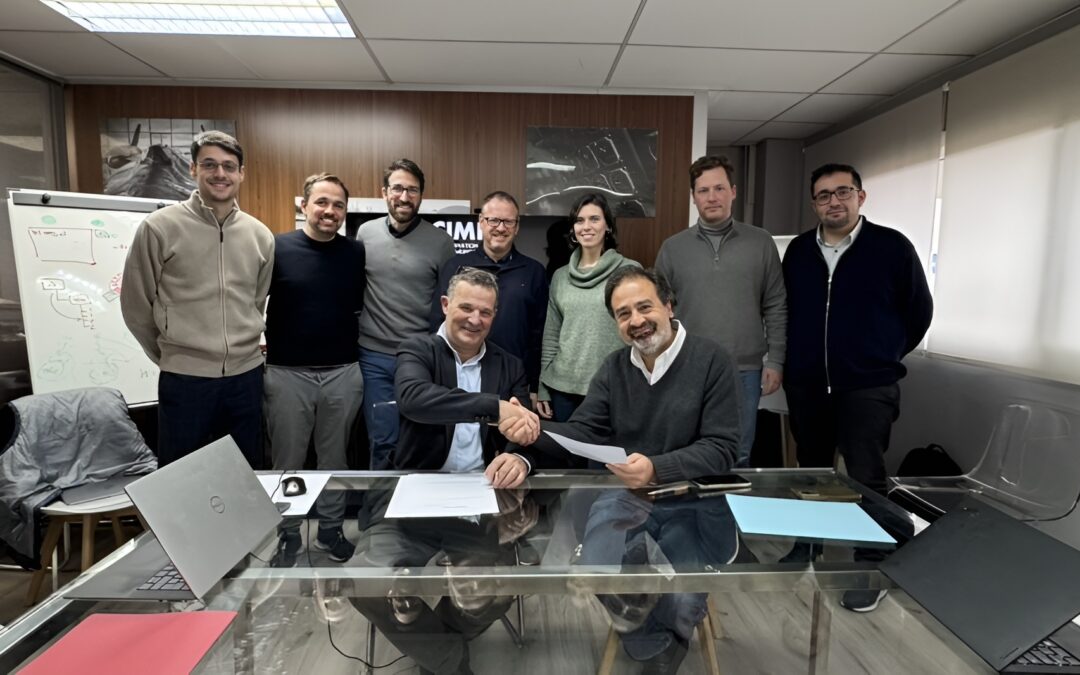
CIMNE and Singular Aircraft sign letter of intent to strengthen collaboration in aeronautical R&D
The International Centre for Numerical Methods in Engineering (CIMNE) and Singular Aircraft have signed a letter of intent framing strategic collaboration in research, development and innovation in the aeronautical field. The document, signed on Tuesday, aims to...
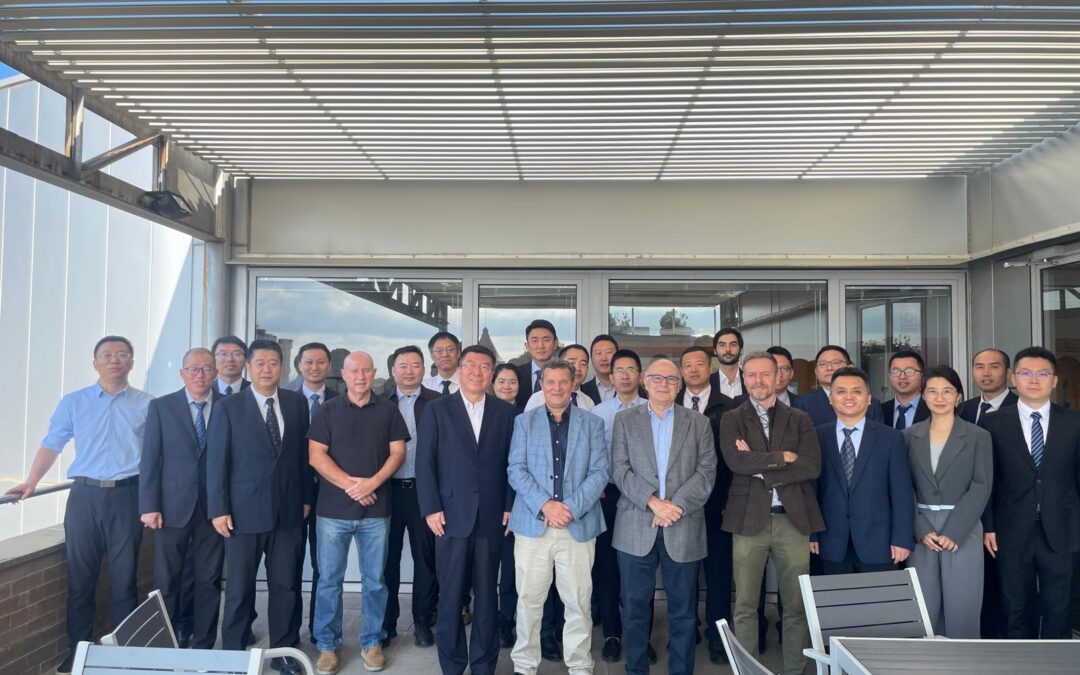
CIMNE Hosts Delegation from AVIC Shenyang Aircraft Design and Research Institute
The International Centre for Numerical Methods in Engineering (CIMNE) yesterday received a high-level delegation from the AVIC Shenyang Aircraft Design and Research Institute, one of China's leading aerospace research organizations. The visit brought together 24...