Research

Computational engineering to tackle global challenges.

Cimne menu projects

Discover our latest research projects

Innovation

Delivering tangible solutions for the benefit of all.

Cimne menu nuclear

See how advanced simulation enhances nuclear safety

Community

A thriving network of global innovators, thinkers, and life-long learners in numerical methods.

Cimne menu unesco

Learn how the UNESCO Chair in Numerical Methods spearheads frontier innovation in the Global South

About

We are a pioneering research and innovation centre in computational engineering, founded in 1987.

Cimne menu people

People at CIMNE: Meet the talent that makes it possible.

See how advanced simulation enhances nuclear safety

Learn how the UNESCO Chair in Numerical Methods spearheads frontier innovation in the Global South

News

Back

LASH FIRE project launches a new report

Jun 17, 2021

The new report launched by the project LASH FIRE is titled “Study and analysis of regulations, accident investigations and stakeholders for bridge alarm panel design”. Based on results from the Firesafe II and SEBRA projects, one area of fire-safety related design that is in particular need of attention is fire alarm system interface design.

The aim of this LASH FIRE deliverable D7.1 report is to research development needs in terms of usability and systems integration for fire alarm system interfaces and to turn this knowledge into design requirements that will inform subsequent conceptual and physical design of a fire information management system in LASH FIRE.

Written fully by LASH FIRE project coordinator RISE Research Institutes of Sweden, the full report is still awaiting official approval from the European Commission, but you can already access it on LASH FIRE deliverables page: https://lnkd.in/dV_EzWh
Related News

CIMNE-ETSII Lab Uses AI and Satellite Data to Monitor Water Quality

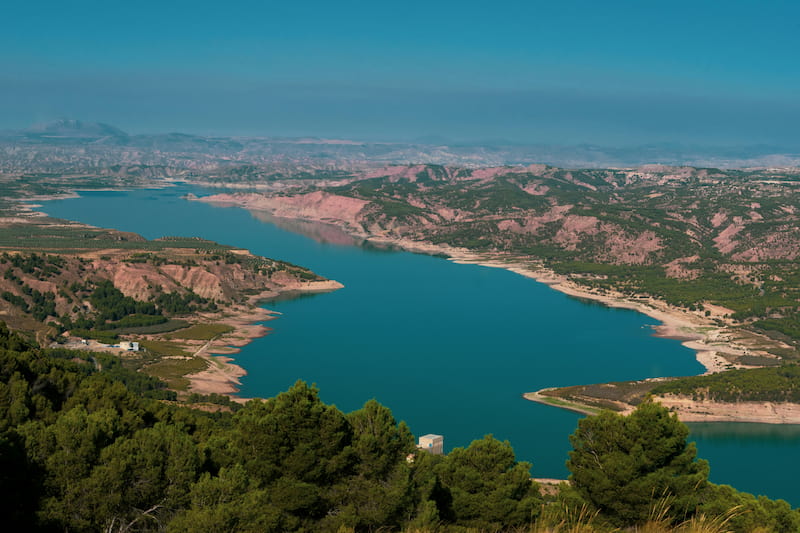
Experts at the CIMNE-UPM ETSII Lab (Aula CIMNE-UPM ETSII) have evaluated the effectiveness of Machine Learning (ML) and satellite imagery to assess water quality in inland settings. In a recent study, Ms. Laura Cáceres, Dr Jorge Rodríguez Chueca and Dr David J....

Tags

Share: