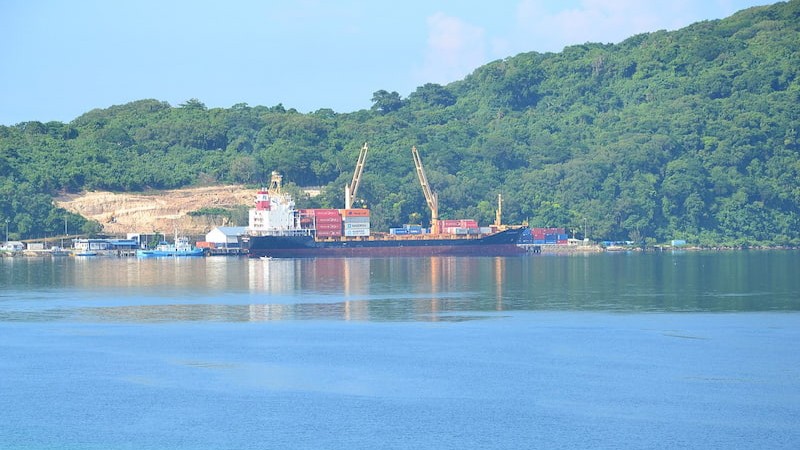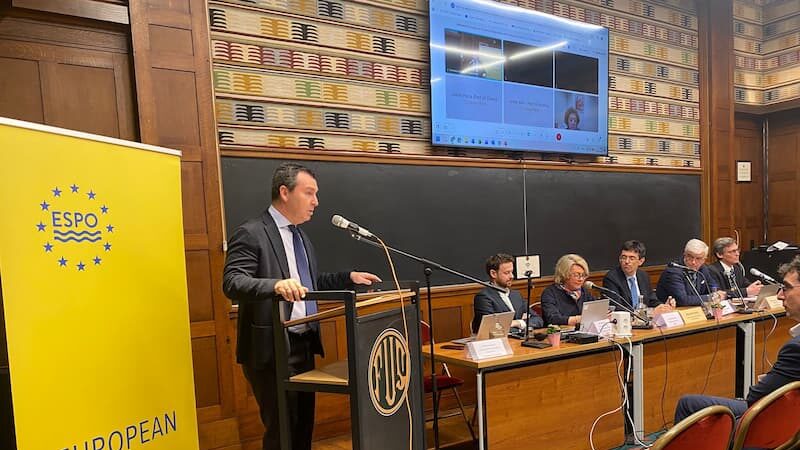


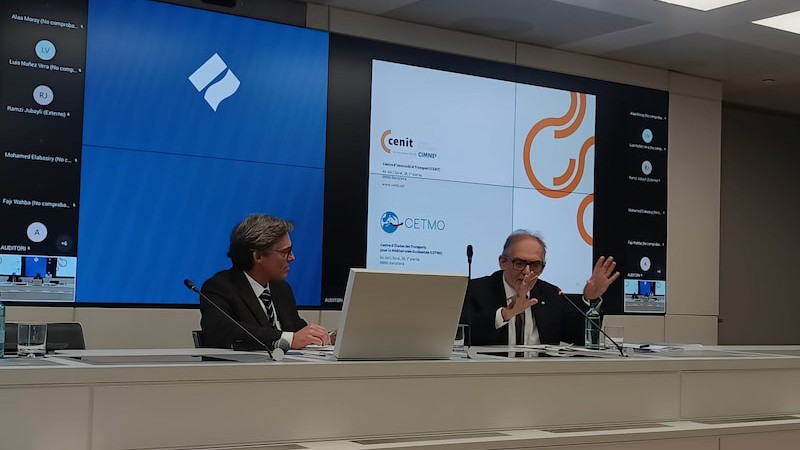
On 10 December, Barcelona hosted the official presentation of a study on port governance that promises to become a reference for maritime policy in the Mediterranean region. Dr. Sergi Saurí, director of CENIT, the Innovation Unit in Transport at CIMNE, presented the main findings, which demonstrate a structural shift in Mediterranean port management.
Study on Governance Models of Mediterranean Ports — the first comprehensive comparative analysis of port governance systems across the region, supporting regional cooperation, sustainability, and policy alignment in the maritime transport sector. The event, organised by the Union for the Mediterranean (UfM) and the MEDPorts Association in collaboration with the Port of Barcelona, took place at the Auditorium of Barcelona World Trade Center. This work directly contributes to the UfM Regional Transport Action Plan (2023–2027) by feeding into a future permanent knowledge centre on Mediterranean transport systems.
The project was carried out in a collaboration between CENIT and CETMO and responds to a growing need to understand how diverse governance systems affect port efficiency, autonomy, and responsibilities. The study represents the first systematic and comparative analysis of governance and organisational models across the Mediterranean. It examines ports in 16 countries: Albania, Algeria, Croatia, Egypt, France, Greece, Jordan, Italy, Lebanon, Libya, Malta, Mauritania, Morocco, Slovenia, Spain, and Tunisia.
Its analytical scope covers the study of governance structures and organisational models, as well as ownership systems and regulatory frameworks. It also analyses different levels of port autonomy and oversight, and examines operational responsibilities and service provision related to port activity.
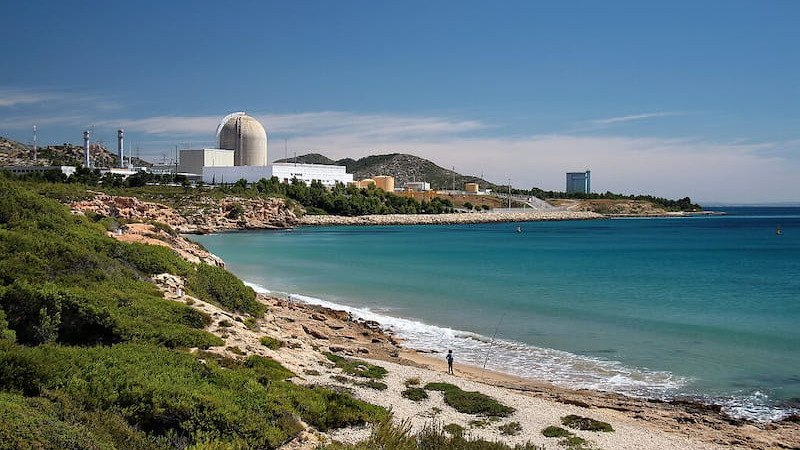
The study’s findings point to significant opportunities — and gaps — in how Mediterranean ports are preparing for the future. While leading ports such as Barcelona, Algeciras, and Cartagena are already taking concrete steps toward modernisation and decarbonisation, only 30% of the 30 ports surveyed currently consider energy production and storage to be strategic priorities. Given the accelerating role of renewable energy in global supply chains, this figure highlights the urgency for broader regional alignment.

As Dr. Sergi Saurí explained during the presentation, “Ports are uniquely positioned to become energy hubs.” His remarks underscored the potential for Mediterranean ports to embrace new energy solutions, such as hydrogen and other renewables, as part of a broader shift toward sustainability and energy transition.
For policymakers, port authorities, and logistics stakeholders, the implications extend beyond environmental goals. The study makes clear that energy strategy is now a key component of port competitiveness, regulatory compliance, and long-term resilience — all of which are essential for maintaining the region’s strategic relevance in global maritime trade.