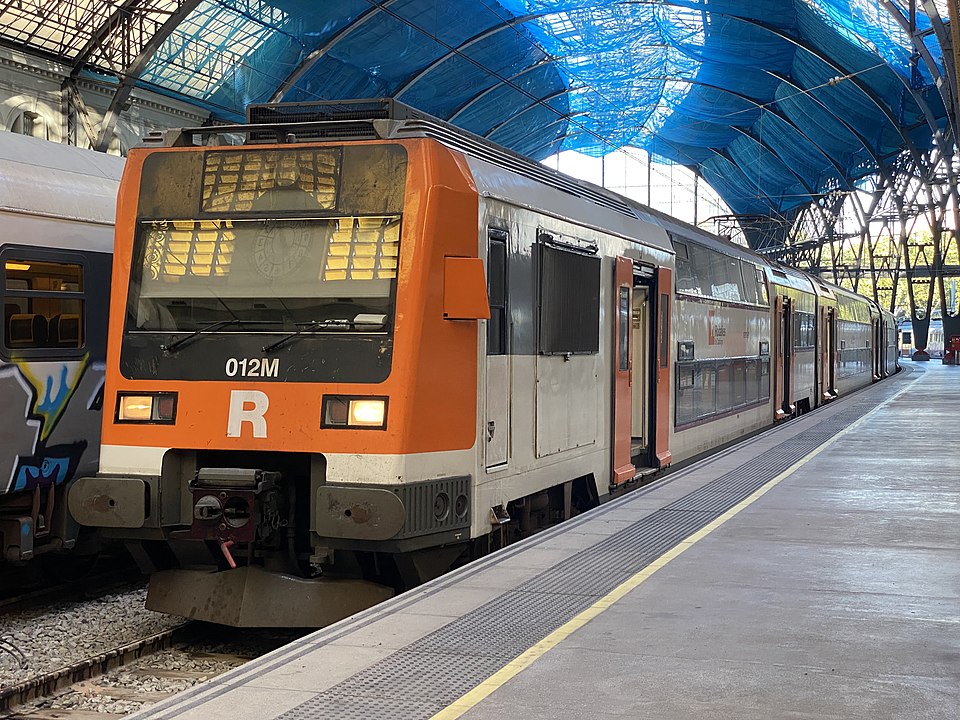
Dr. Sergi Saurí, director of CENIT —the transport innovation unit at CIMNE— stressed today that “meeting the planned investment schedule” and ensuring a strong “maintenance commitment”, both tied to sound governance, are key to improving Rodalies de Catalunya, the main commuter rail network serving Catalonia.
Prof. Saurí spoke to Catalan media as a new joint venture between the Government of Catalonia and the Spanish Ministry of Transport, was formally established in Barcelona to take over broad‑gauge rail services in Catalonia.
According to the expert, the Rodalies network endures a “complex situation”: from January to September of last year, more than 900 significant incidents were registered in the network —an average of three incidents every day. This happens as numerous infrastructure works are underway, which hinder incident management. One hundred new trains are expected to arrive this year in Catalonia to update the commuter rail system.
Changes will need to wait
Dr. Sergi Saurí, specialised in transport and mobility, analysed this new phase of the rail system on the news programmes of 3Cat, 2Cat and Catalunya Ràdio. Speaking to 3CatInfo, he examined factors such as organisation, staffing and execution —all essential for the service to function properly.
He particularly highlighted the need to establish a strong “customer‑service mindset”. Although the researcher welcomes the creation of this new company, he emphasises the “historic lack of maintenance”, with no significant improvements in more than three decades, meaning that “we cannot expect immediate changes”.
“For years, the Ministry has prioritised high‑speed rail at the expense of metropolitan systems,” Saurí noted. In his view, the proper functioning of the network will depend on the execution of planned investments and a firm maintenance commitment.
Good governance for public good
In a conversation with the political affairs programme Altaveu al Pati on 2Cat, Saurí focused especially on the governance model of the new entity. The CENIT director stressed that “we will not see improvements in the service unless investment schedules are met and the new entity is given adequate funding”, both of which depend on good governance.
The two partners in the new company —Renfe, the Spanish rail operation with 50.1% and the Government of Catalonia with 49.9%— will share key systems such as communications, energy supply and safety, and will need to work closely together to ensure the overall health of the rail network. Cooperation between the two partners must be based on “professional management of the company, always focused on improving the service for citizens”.
Opportunities in the new phase
In an interview on the Catalunya Migdia news programme on Catalunya Ràdio, Dr. Saurí discussed the future of the service, stressing the importance of ongoing investments, such as the addition of a second track for the R3 line. The numerous works across the network, combined with good governance, “should visibly improve the service by early 2027”, raising short‑term expectations.
Whereas previously the Catalan government only held basic authority over Rodalies, it will now have a more direct role through shared management. Strategic decisions will now require a qualified majority, leading to management guided by technical criteria and focused on delivering effective service to citizens.
The CENIT researcher also explained how the construction of the new La Sagrera station could help relieve congestion at Sants, Catalonia’s main rail hub. In this regard, “moving part of the high‑speed services to La Sagrera could make rail traffic flow more smoothly”, Saurí noted.