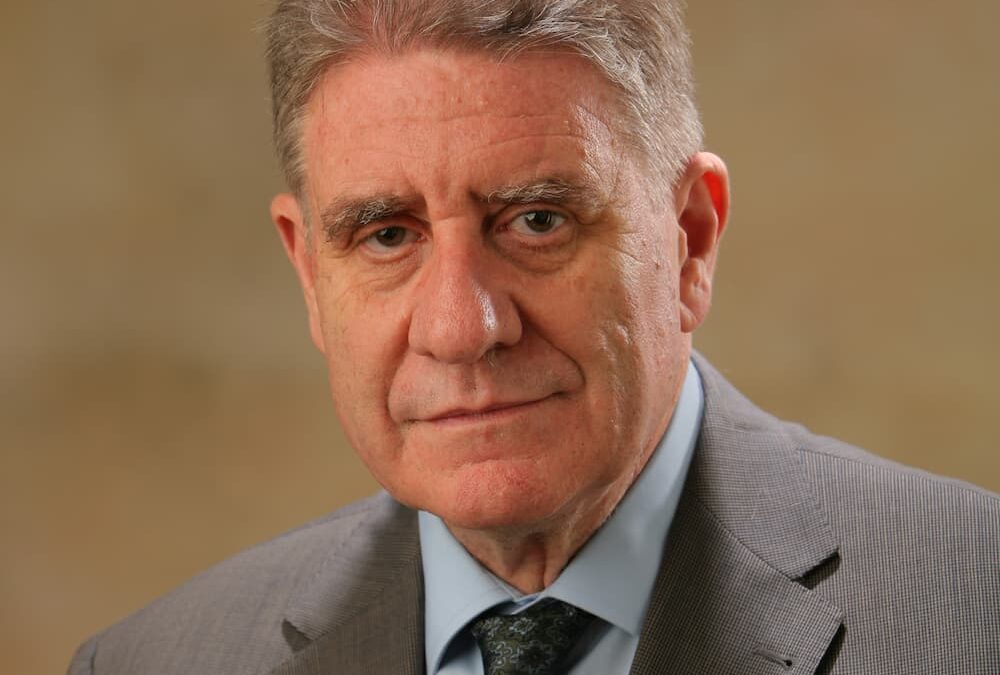
 Lucia Barbu (Braila, Romania, 1985) is an Assistant Research Professor at CIMNE and an Associate Professor at Technical University of Catalonia. Since the beginning of this month, she is leading the European Project Fatigue4Light, which consists of the study of advanced materials for chassis weight reduction. The project “Fatigue4Light: Fatigue modelling and fast testing methodologies to optimize part design and to boost lightweight materials deployment in chassis parts” hopes to contribute to lighter vehicle construction, generating a special impact on the electric car sector.
Electric vehicle manufacturing in Europe is expected to grow from 1 million in 2019 to over 5 million in 2025, with rapid and sustained growth through 2030. The project takes into account the principles of the circular economy and eco-design, in order to develop light and high-durability chassis, which is vital to increase the autonomy of electric vehicles.
CIMNE is the partner that coordinates this project. “For CIMNE Fatigue4Light is an opportunity to show the European industry the capabilities and competitiveness of ‘made in Catalonia’ numerical methods. We are very happy to contribute to building a future with zero emissions by promoting a design based on numerical simulation tools. With a lighter chassis, we can go further in a sustainable way, guaranteeing the structural safety of the vehicle and minimizing the wear and tear of our infrastructure”, ensures Lucia Barbu, project coordinator.
The Fatigue4Light project will develop new tests and new computer simulation methodologies to predict the life of the chassis components and select the optimal materials. It will work on the application of new materials adapted to the requirements of the chassis of vehicles, such as advanced high-strength steels, special stainless steels for automotive, high-strength aluminum alloys and hybrid metal-polymer materials. The aim is to reduce the weight of the vehicle chassis between 24 and 30 per cent for the most innovative solutions, reaching up to 40 per cent for some current applications.
The results of the project will help to optimize the selection of new materials, but will also reduce the implementation time of these solutions. Specifically, it is expected to reduce the development time of new lightweight components by up to 10 percent and increase the efficiency of the design stage by 7 percent.
Fatigue4Light includes 13 partners from 4 countries: CIMNE, Eurecat, Luleå University of Technology, Centro Ricerche Fiat, Magnetto Wheels Italy, ArcelorMittal, Gestamp Hardtech, Politecnico di Torino, RISE, Profilglass, Composite Service Europe, Asociación Española de Normalización UNE and UPC.

* All the simulations carried out by CIMNE will use the GiD pre-post processor .
.