The general director of CIMNE, Prof. Javier Bonet, signed updated working agreements last week with the CIMNE Labs at the Centro de Investigación en Matemáticas (CIMAT) and the Universidad de Guanajuato in Mexico, expanding CIMNE’s long-standing academic and scientific cooperation with leading Mexican institutions in the field of numerical methods in engineering.
The agreements were formalized within the framework of an institutional visit to Mexico by Prof. Bonet and Dr. Francisco Zárate, president of the International Association of CIMNE Joint Labs (AIAC). The trip included meetings with institutional representatives, visits to CIMNE Lab facilities, technical talks and exchanges with researchers, lecturers, and students linked to the CIMNE Labs network.
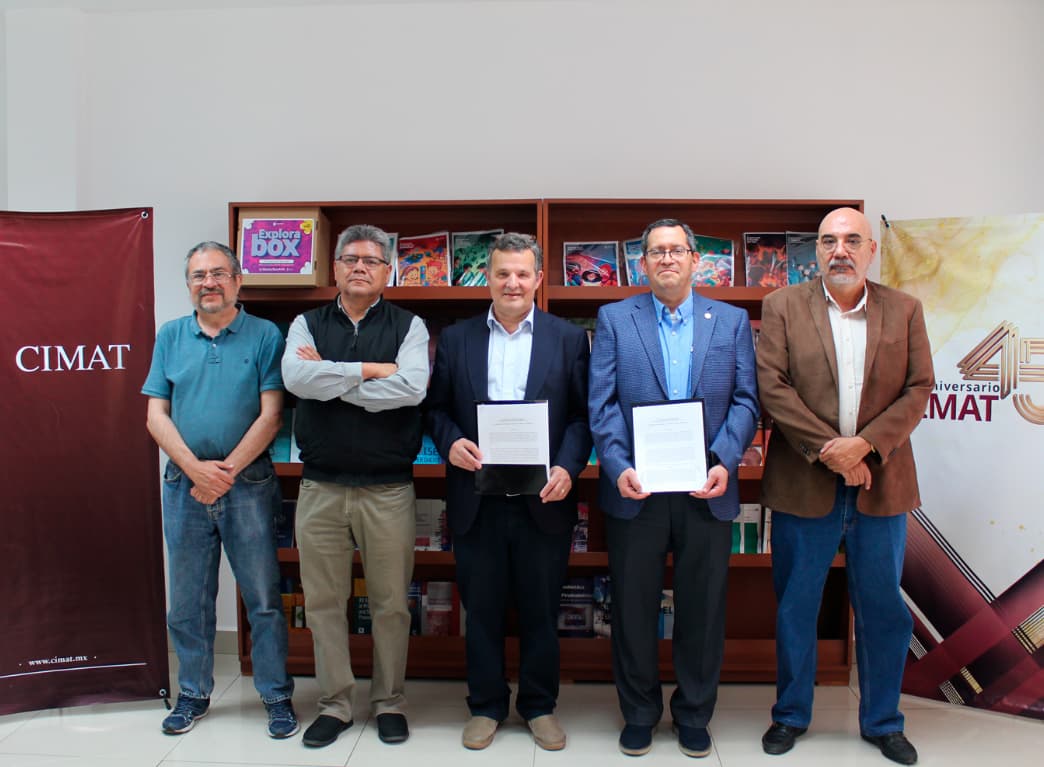
The first agreement was signed on 11 May at CIMAT, in Guanajuato, with the participation of Dr. Rafael Herrera Guzmán, director general of CIMAT; Prof. Javier Bonet Carbonell, general director of CIMNE; Dr. Miguel Ángel Moreles, academic coordinator of CIMAT; Dr. Salvador Botello, CIMAT researcher and long-standing collaborator of CIMNE; and Dr. Francisco Zárate.
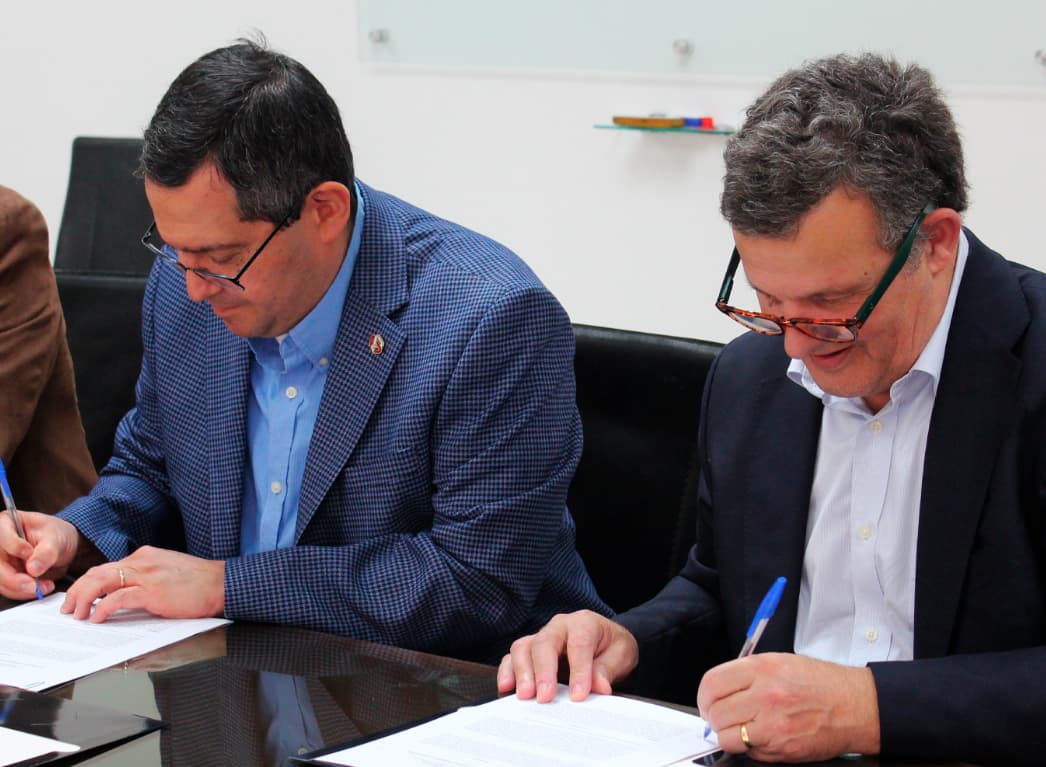
The renewal gives continuity to more than three decades of academic and scientific collaboration in the areas of supercomputing and numerical methods. The agenda of the visit also included a meeting with CIMAT representatives and the renewal of the CIMAT-CIMNE, securing the activity of the CIMNE-CIMAT lab for the foreseeable future.
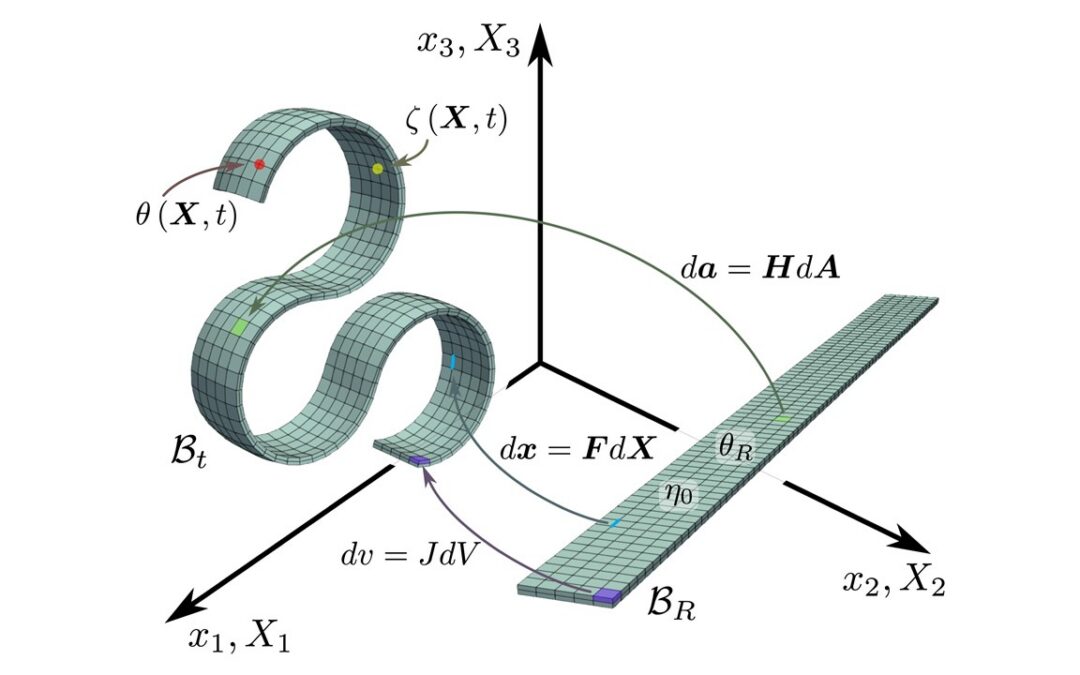
During the visit to CIMAT, Prof. Bonet also delivered a technical lecture on recent advances in solid dynamics at CIMNE, with a focus on large-deformation particle methods and fracture propagation, addressed to students and academic staff. The CIMNE Lab at CIMAT is part of the international CIMNE Labs network and is linked to six key research lines in numerical methods and computational engineering, including stochastic optimization and parallel computing solutions.
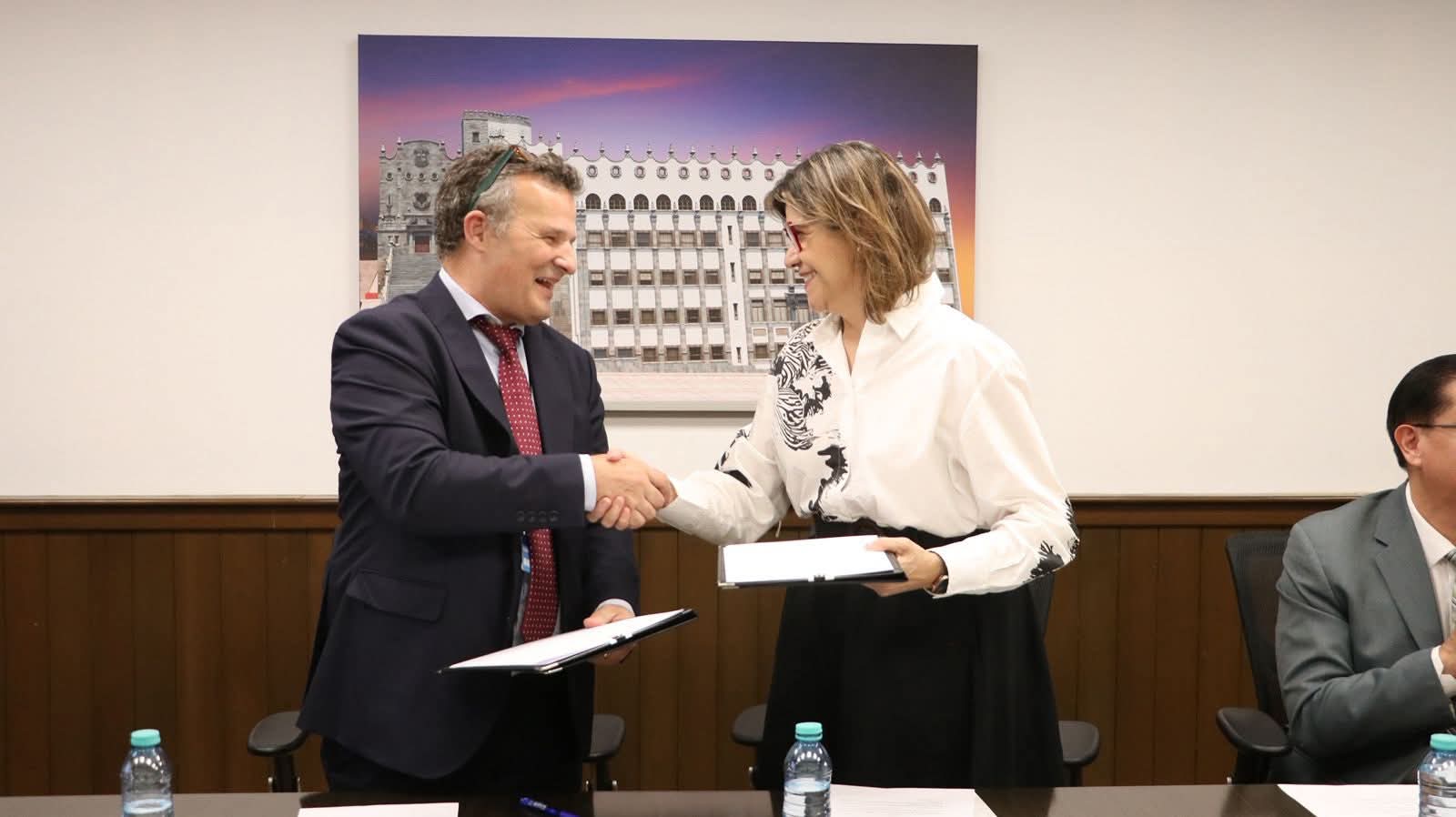
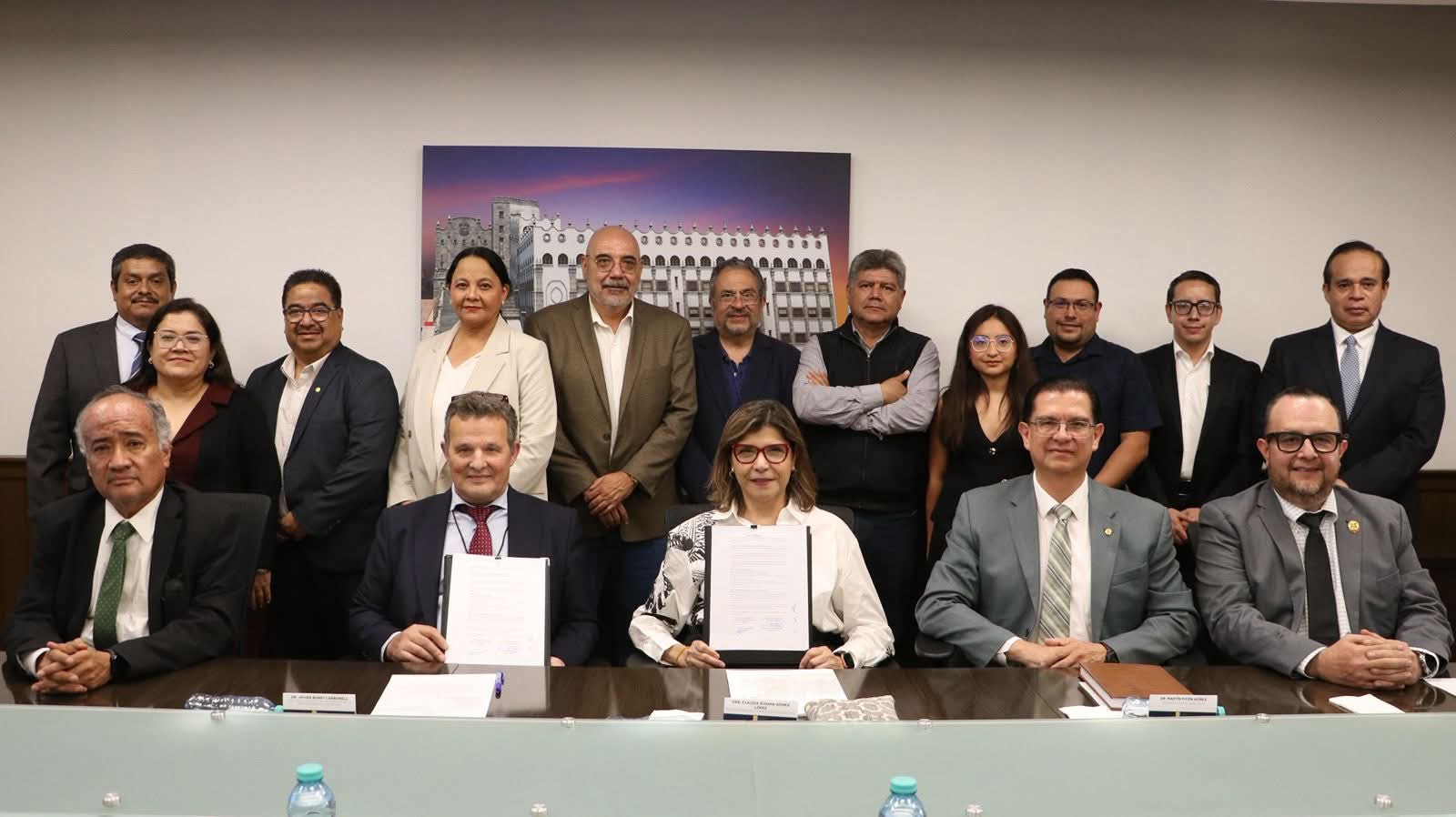
On 12 May another agreement was signed between CIMNE and the Universidad de Guanajuato, where both institutions signed a collaboration agreement within the CIMNE Labs framework. The ratification took place at the Belén campus, with the participation of university authorities, including the dean of the Universidad de Guanajuato, the dean of the Belén campus, the director of the Faculty of Engineering and the director of the CIMNE Lab at the university.
The agreement with the Universidad de Guanajuato strengthens a framework for cooperation aimed at connecting academic training, applied research and technology transfer. During the same visit, Dr. Zárate gave a lecture to undergraduate civil engineering students on numerical methods in engineering, addressing their evolution, current applications and future development.
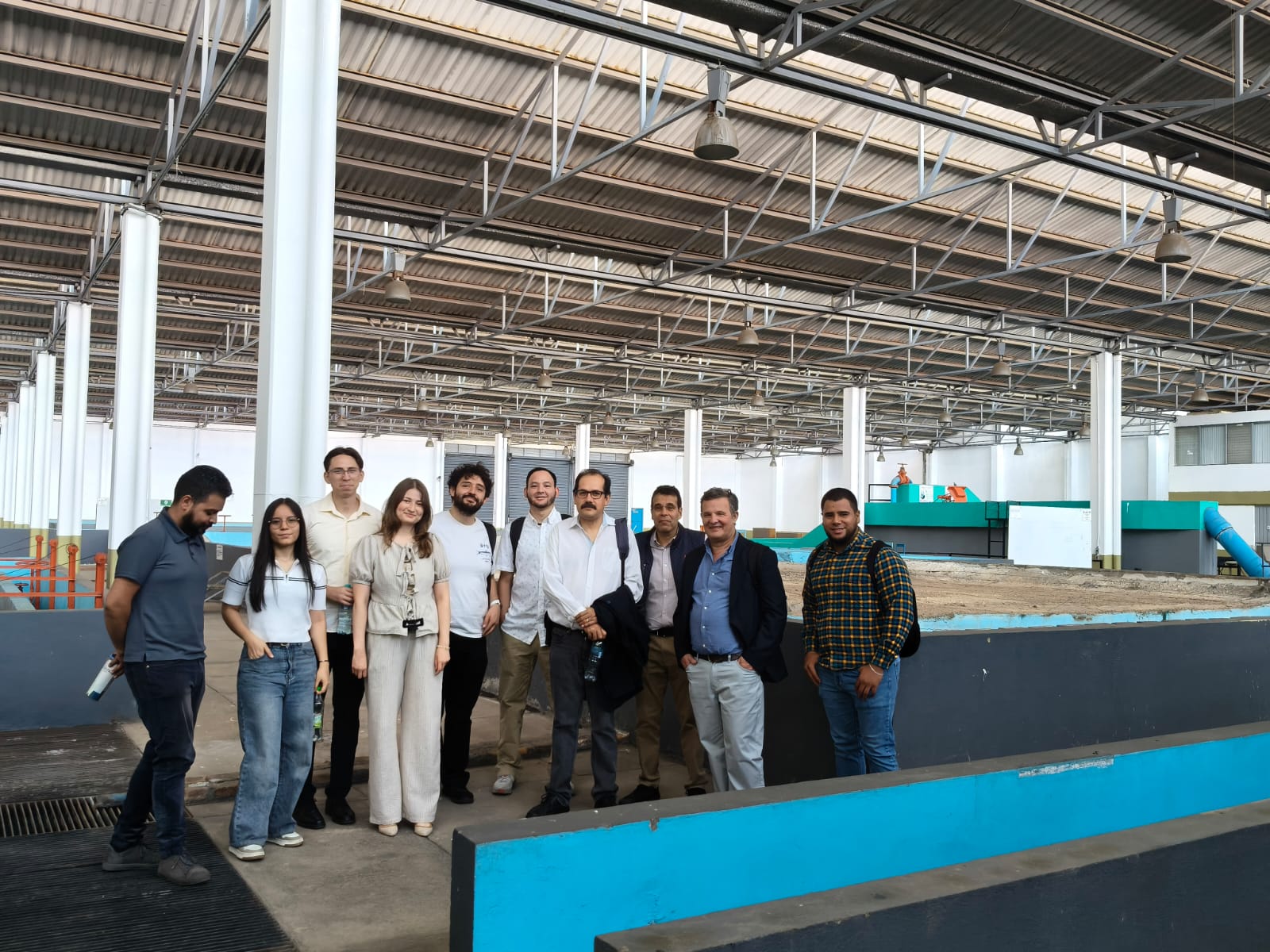
In Morelia Prof. Bonet was received by Dr. Francisco Domínguez-Mota, from the Universidad Michoacana de San Nicolás de Hidalgo. The visit included meetings at the Faculty of Civil Engineering, exchanges with students and supervisors linked to the CIMNE Lab in Morelia, and visits to experimental facilities that complement the university’s numerical research activity.
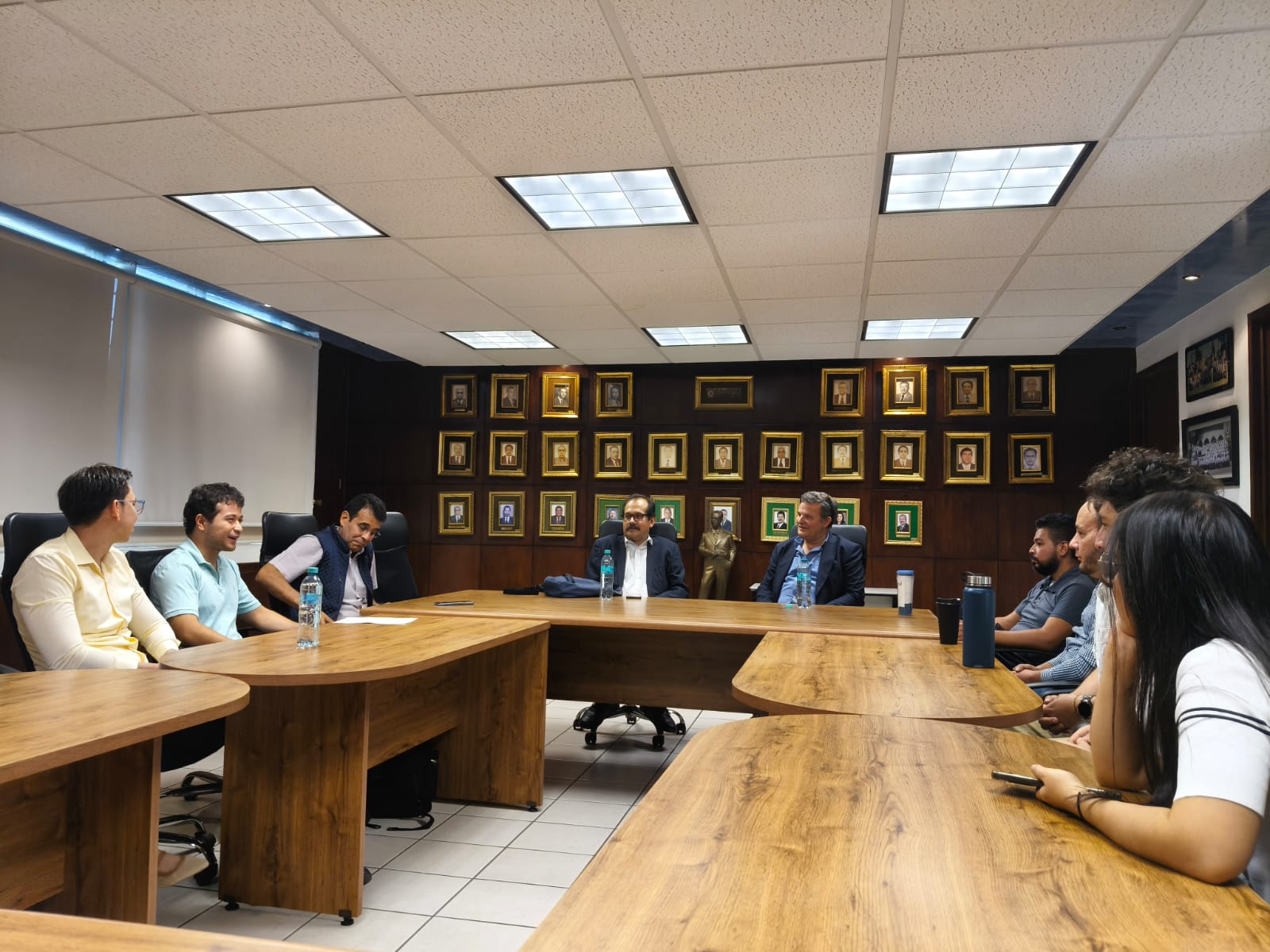
The CIMNE Lab in Morelia works in areas including numerical modelling in engineering, transport phenomena, geotechnics, artificial intelligence applied to civil engineering problems, sustainable cities and hydraulic and structural applications.
VI International Symposium of CIMNE Labs
The 6th International Symposium of CIMNE Labs was held in CIMAT from 12 to 15 May 2026, coinciding with the institutional visit. The event brought together researchers and experts from across the international CIMNE Labs network, with contributions from CIMNE-linked groups in Mexico, Argentina, Colombia, El Salvador, Guatemala, among others..
Global experts presented recent work on cutting-edge areas such as computational fluid dynamics, multiscale methods, biomedical applications, structural engineering, hydrology, artificial intelligence, optimization, geomechanics and other related engineering fields.
The programme reflected the breadth of the CIMNE Labs network and its role as a platform for scientific exchange between CIMNE and partner institutions. Presentations addressed both fundamental and applied challenges, from high-performance computing and numerical simulation to the use of tools such as Iber and GiD, as well as applications in aortic dissection modelling, flood simulation, wind turbines, seismic waves, ship optimization and computational materials.
Prof. Michael Ortiz on the past, present and future of computational mechanics
One of the keynote speakers at the symposium was Prof. Michael Ortiz, head of the UPC/CIMNE UNESCO Chair in Numerical Methods in Engineering, who delivered the lecture “Computational Mechanics: Past, Present and Future”. His talk reviewed the historical development of computational mechanics and addressed current and emerging challenges linked to data-driven scientific computing, artificial intelligence, multiscale modelling and quantum computing. Prof. Ortiz’s contribution connected the symposium’s technical programme with the broader mission of the UNESCO Chair, created in 1989 to promote international collaboration, research, training and technology transfer in numerical methods in engineering.