
See how advanced simulation enhances nuclear safety

Learn how the UNESCO Chair in Numerical Methods spearheads frontier innovation in the Global South

News

Back

Making Cities Sustainable in the Era of Autonomous Vehicles with Tactical Urbanism Actions

Oct 19, 2022

Ongoing research at CENIT is heading toward analyzing future cities incorporating tactical urbanism with a superblock model approach. The elevated dependency on cars for mobility, consequent environmental pollution due to emissions and reduction of public spaces are alarming, with the pandemic revealing this fact to policymakers.

The future of urban mobility planning is not about cars, it’s about the usage of cars when there are automated vehicles on the road network for livable cities. The future not only consists of emerging technologies, but also emerging transport planning methods pushing together for a sustainable community. To revert car usage trends following the pandemic situation; cities like Helsinki, Hamburg, Madrid and Barcelona, etc., are applying innovative policies. One of these policies being implemented in the city of Barcelona is the Superblock model, which consists of organizing the parts of the city in a grid structure with defined boundaries, restricting through traffic except non-motorized modes. Such formation caters to the problem of disappearing public spaces and increasing emissions, yielding environmental benefits.
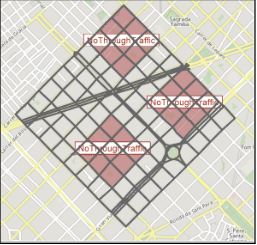
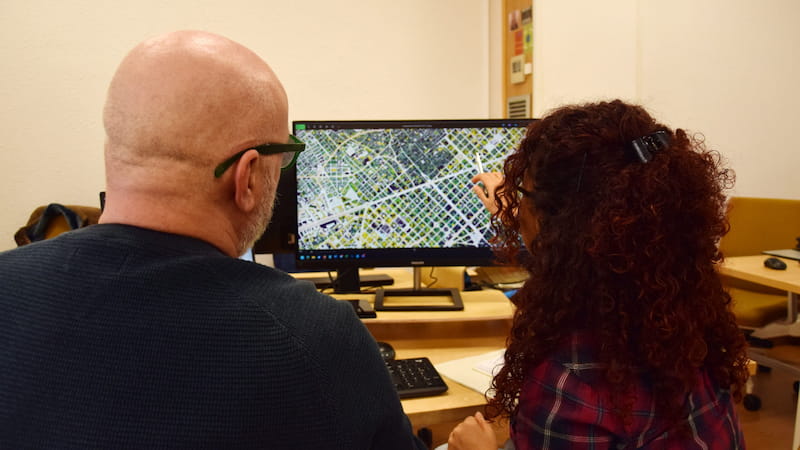
Ongoing research highlights the impacts and benefits of the superblock model in the presence of state-of-the-art autonomous vehicle technology for the city of Barcelona. Doctoral candidate, Samra Sawra, is all geared up to present the outcomes at the prestigious  Transport Research Arena 2022 in Lisbon.

Samra Sarwar is an Urban Mobility Researcher, PhD candidate and Severo Ochoa fellow at CENIT
Related News

From vessel data to climate action: building the foundations for maritime MRV in the Pacific

Maritime transport is a lifeline for Pacific Island countries, connecting communities, supporting trade, and enabling access to essential services. However, the sector is a significant and growing source of greenhouse gas emissions. Strengthening how these emissions...

EU ETS Observatory identifies increased activity in non-EU ports following ETS implementation

Researchers at CIMNE’s transport innovation unit CENIT, working in collaboration with Shipping Business Consultants and Nextport, have identified an “unusual increase in activity at non-EU ports located close to Europe” in the first quarterly report of the EU-ETS...

CIMNE at the Mobile World Congress 2026: Digital Solutions, Real-World Impact

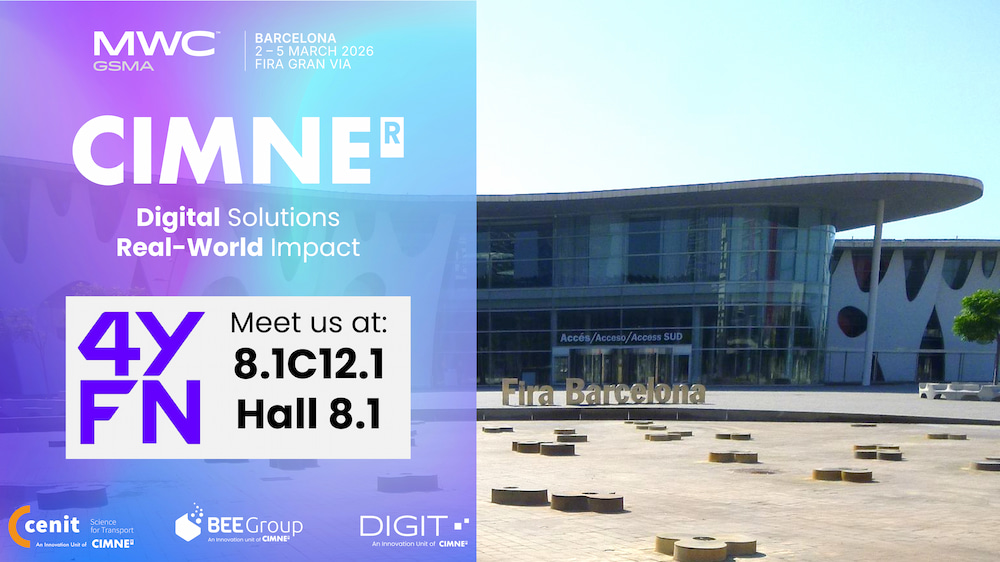
March 2-5, 2026 | Fira Gran Via, Barcelona CIMNE's Stand: Hall 8.1, 8.1C12.1   The International Centre for Numerical Methods in Engineering (CIMNE) features innovative simulation and smart solutions in this year's edition of the Mobile World Congress, the world...

Tags

Share: