
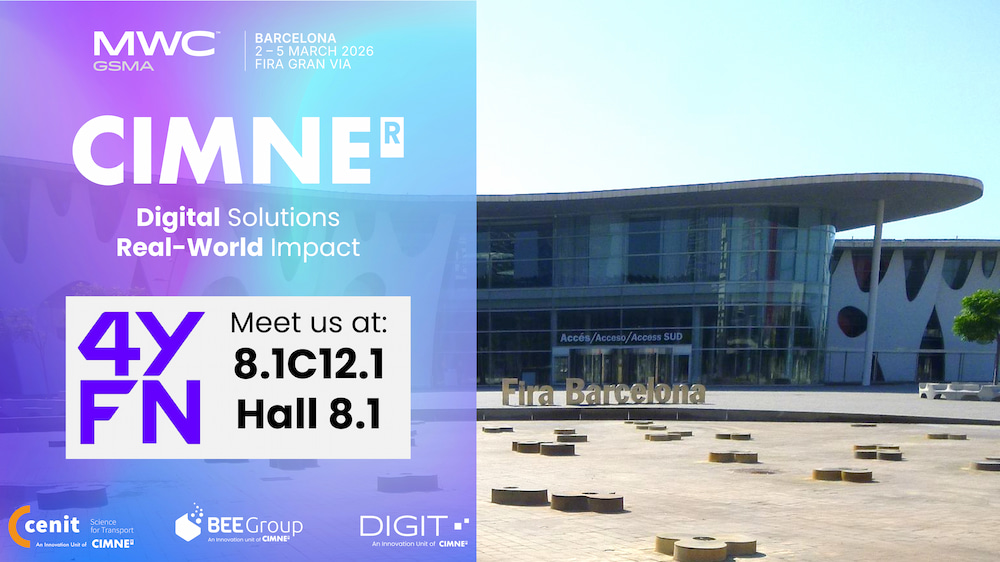
March 2-5, 2026 | Fira Gran Via, Barcelona
CIMNE’s Stand: Hall 8.1, 8.1C12.1
The International Centre for Numerical Methods in Engineering (CIMNE) features innovative simulation and smart solutions in this year’s edition of the Mobile World Congress, the world leading event in mobile communications industry. The event, held in Barcelona from March 2 to 5, will showcase some of CIMNE’s cutting-edge solutions in blue economy, green and collaborative energy, VR structural safety training and coastal erosion prevention, alongside advanced modelling tools powered by digital twins and artificial intelligence for building resilience into tomorrow’s worlds.
Innovation Unit in Transport (CENIT)
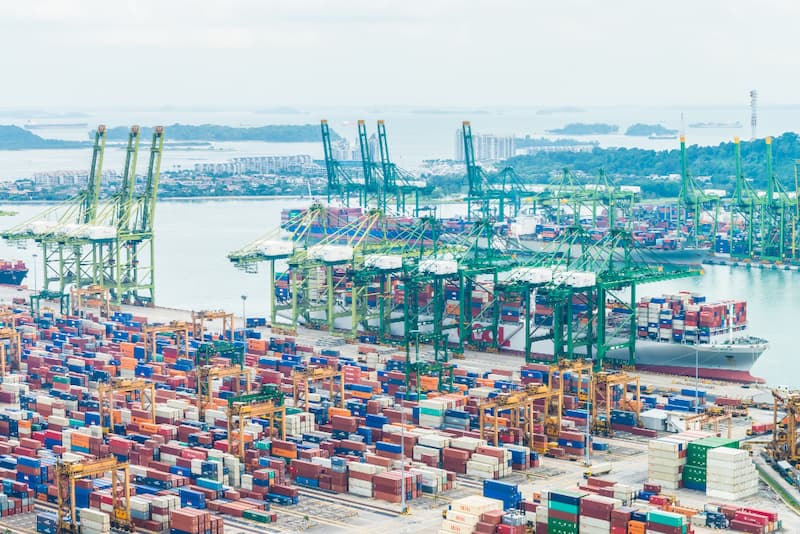
CENIT brings a scientific perspective to the challenges facing daily operations of transportation systems, logistic chains, and mobility planning. By integrating advanced modelling, data analytics, and optimization techniques, CENIT supports cities in designing efficient, sustainable, and resilient mobility solutions that enhance quality of life while reducing environmental impact.
Our Innovation Unit in Transport brings a breath of expertise in:
- Transport Economics
- Sustainable Urban Mobility
- Ports and Maritime Transport
- Logistics and Urban Freight
Maritime 5G for Intelligent Vessel Location
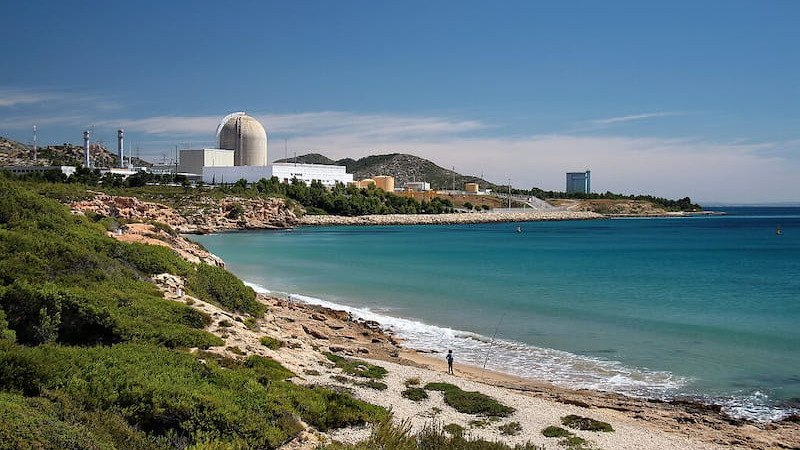
The Maritime 5G Pilot, developed under the European PIONEERS project at the Port of Barcelona, demonstrates an advanced real-time vessel monitoring system. It integrates AI, multi-camera technology and 5G connectivity to overcome the limitations of AIS and RADAR. The system provides precise geolocation, vessel identification and trajectory data through a GIS-enabled dashboard.
EU ETS Observatory on Spanish Ports
CENIT, together with SBC and NextPort, supports Puertos del Estado’s EU ETS Observatory on Spanish Ports by developing an integrated monitoring and predictive system to detect early route changes and potential carbon leakage. Using real-time vessel data and advanced analytics, the system assesses emissions, compliance costs and impacts on port competitiveness.
Advanced Modelling for a Sustainable Future
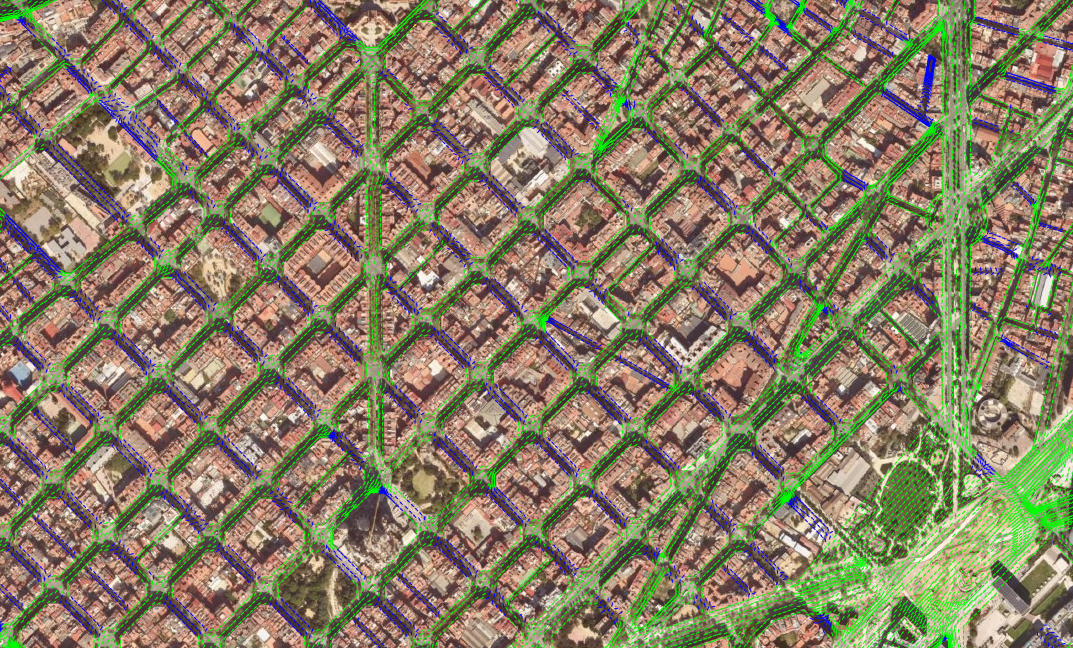
CIMNE experts deliver cutting-edge capabilities in Digital Twins and Complex Modelling technologies. In a cross-cutting effort, our experts combine high-fidelity physics-based simulations with data-driven analytics to create digital replicas of complex systems that enable decision-makers at local, regional, and international levels to better understand climate risks, optimize resource management, and design resilient infrastructure for a changing world.
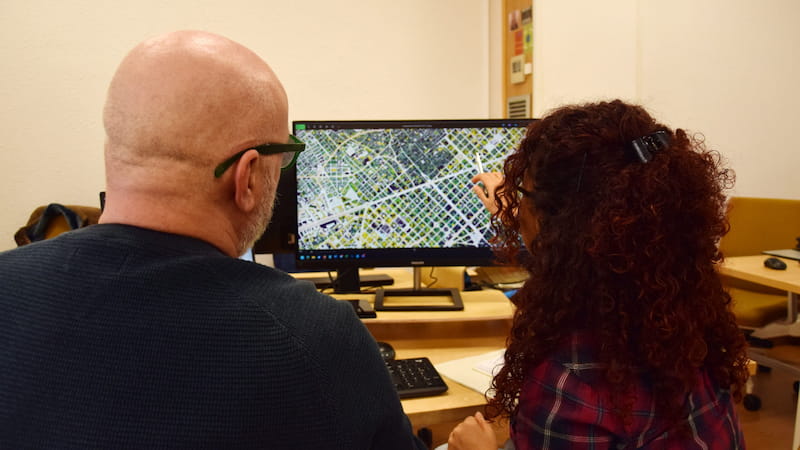
The centre’s comprehensive modelling solutions integrate diverse data sources—from satellite observations to real-time monitoring networks—to provide unprecedented insights into environmental processes, energy systems, urban dynamics, and coastal evolution.
These platforms transform raw data into actionable knowledge, empowering policymakers and communities to make evidence-based decisions that protect both ecosystems and human welfare.
Specific solutions derived from these technologies include CIMNE’s PIKSEL Project for the Catalan Government (Joan Roget Knowledge Transfer Prize), and two use cases within Europe’s Destination Earth programme, an ambitious initiative to develop a high-fidelity digital model of the Earth to prevent and tackle extreme weather phenomena.
Inflatable Breakwaters for Coastal and River Protection
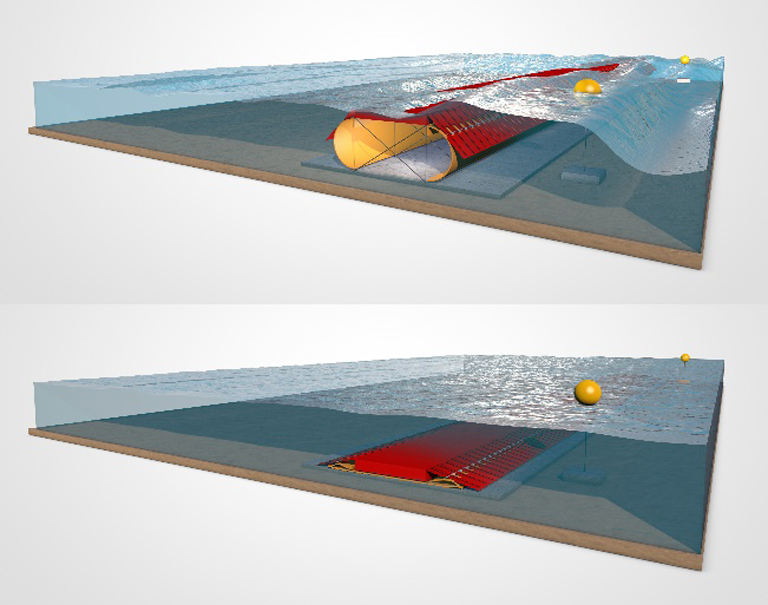
CIMNE showcases innovative inflatable breakwater technology designed to protect coastal and river communities from erosion and flood events. This adaptable and sustainable solution represents a paradigm shift in coastal defence, offering flexible protection strategies that can be deployed rapidly to safeguard vulnerable communities and critical infrastructure from increasing marine hazards.
Innovation Unit in Building, Energy, and the Environment (BEEGroup)

BEEGroup pioneers digital and sustainable solutions for buildings and cities, harnessing big data, AI, and smart technologies to enhance energy efficiency and empower users. The unit presents three integrated tools that represent the future of urban energy management:
BEEMind is an integrated intelligence solution that allows cities to process, visualize, and optimize vast urban data at building level to optimize energy consumption. It supports climate resilience, energy planning, and strategic decision-making through scalable AI-driven models, enabling municipalities to transition toward carbon neutrality while building adaptive capacity.
MindOpera, also part of BEEMind, is a scalable and tailored solution for building managers to seamlessly integrate and analyse large and heterogeneous real-time data on building operation and energy use. MindOpera connects with a wide variety of legacy management systems, using AI-powered models to optimize facility operations, anticipate incidents, and improve energy efficiency, comfort, and building resilience.
Innovation Unit in Pre, Post, and Digital Technologies (DIGIT)

CIMNE’s innovation unit DIGIT develops digital tools for numerical simulation workflows and integrates cutting-edge technologies such as AI, IoT and GIS to accelerate impactful technology transfer.
IBER: Hydrodynamic modelling
The Iber model is a two-dimensional numerical tool for simulating free-surface flows in rivers and estuaries. This tool has been developed thanks to the promotion of CEDEX and the collaboration of GEAMA, UPC, CIMNE and EPhysLab. It solves depth-averaged shallow water dynamics with validated finite-volume methods, thanks to GiD, a powerful and user-friendly interface for pre, post-processing engineered by CIMNE compatible with GIS environments.
Virtual Reality for Structural Safety Training
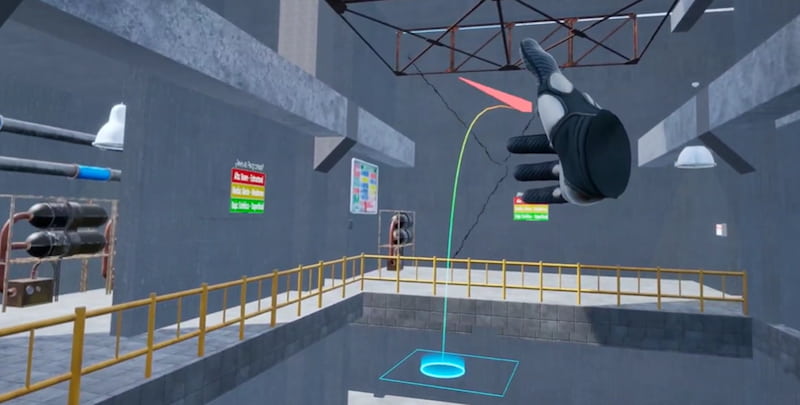
CIMNE has developed a virtual reality experience that combines advanced structural simulation with immersive visualisation, allowing users to understand how buildings behave in collapse scenarios in a safe, educational, and remarkably realistic way. The user can manipulate 1:100 scale building models with their virtual hands, which display the deformations and cracks resulting from structural collapse.
Experts from CIMNE’s Innovation Units and Research Clusters will join Technology Transfer specialists at the Mobile World Congress 2026 in Barcelona to showcase these and other innovations. The centre’s experts will be available to discuss how these solutions can address particular needs and can be contacted at techtransfer@cimne.upc.edu.