
Known for its beautiful landscape and vibrant culture, Bali is facing a growing challenge from traffic congestion and pollution. As tourism and population growth continue to rise, carbon emissions from traditional fuel-powered vehicles threaten environmental degradation, reduced air quality and a transport system that cannot sustain its future needs.
.jpg)
Trans Jogja bus route 1A in Malioboro, Bali (Ya, saya inBaliTimur, Wikimedia Commons)
CIMNE’s Innovation Unit in Transport (CENIT), in collaboration with its partner Hatch, Indonesia, are working on a transformative initiative to electrify Bali’s transportation system. Funded by the Global Green Growth Institute (GGGI), this project aims to:
-
Identify the most effective routes for electric buses across the island.
-
Determine optimal locations for charging stations, balancing accessibility, operational efficiency and environmental impact.
-
Recommend the best-suited e-bus models and charging infrastructure through in-depth economic and environmental analysis.
This feasibility study will pave the way for a pilot project, establishing a scalable model for long-term, sustainable mobility solutions in Bali.
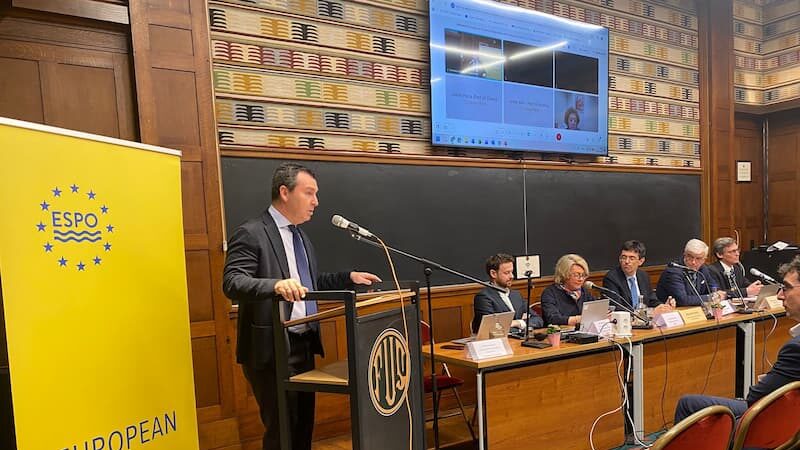
In December, CENIT team members Dr. Sergi Saurí, Genís Majoral Oller and Mulia Andreas Pasaribu travelled to Bali for an engagement session with key stakeholders. Indonesia’s Ministry of Transport, Dishub Bali (Bali’s Provincial Transportation Agency), and representatives from Hatch participated in this meeting to gather insights from local stakeholders. The goal was to identify priority routes for electrification while understanding local constraints and unique challenges.
CENIT’s researcher Genis Majoral said: “it is an honour to be part of this important project, we have the opportunity to help introduce for the first-time electric buses in Bali, touching upon all the phases for their successful rollout. In this study, we treat the implementation of electric buses as a crafted piece of art, looking at every aspect in detail, starting from planning and operational design, to the regulatory, financial, economic and institutional analyses. In this study we have to think beyond our typical analyses to incorporate Balinese characteristics such as budgetary constraints, high congestion, proneness to flooding, low ridership and other uncertainties. This makes it an interesting project from which we hope many recommendations will be applicable to other newly industrialised Asian countries.”
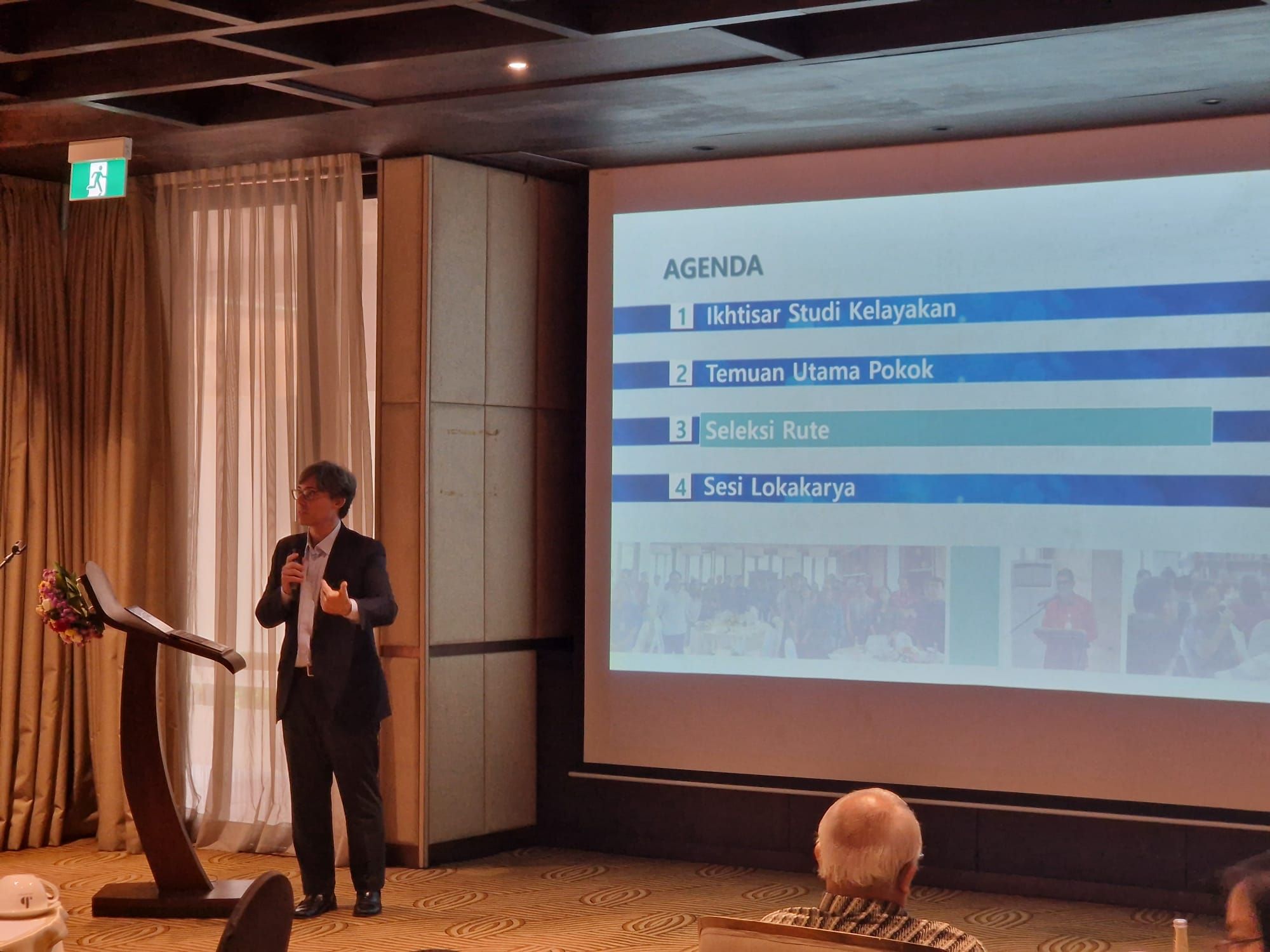
Sergi Saurí, Director of CENIT – Innovation Unit in Transport at CIMNE – introduces the session.
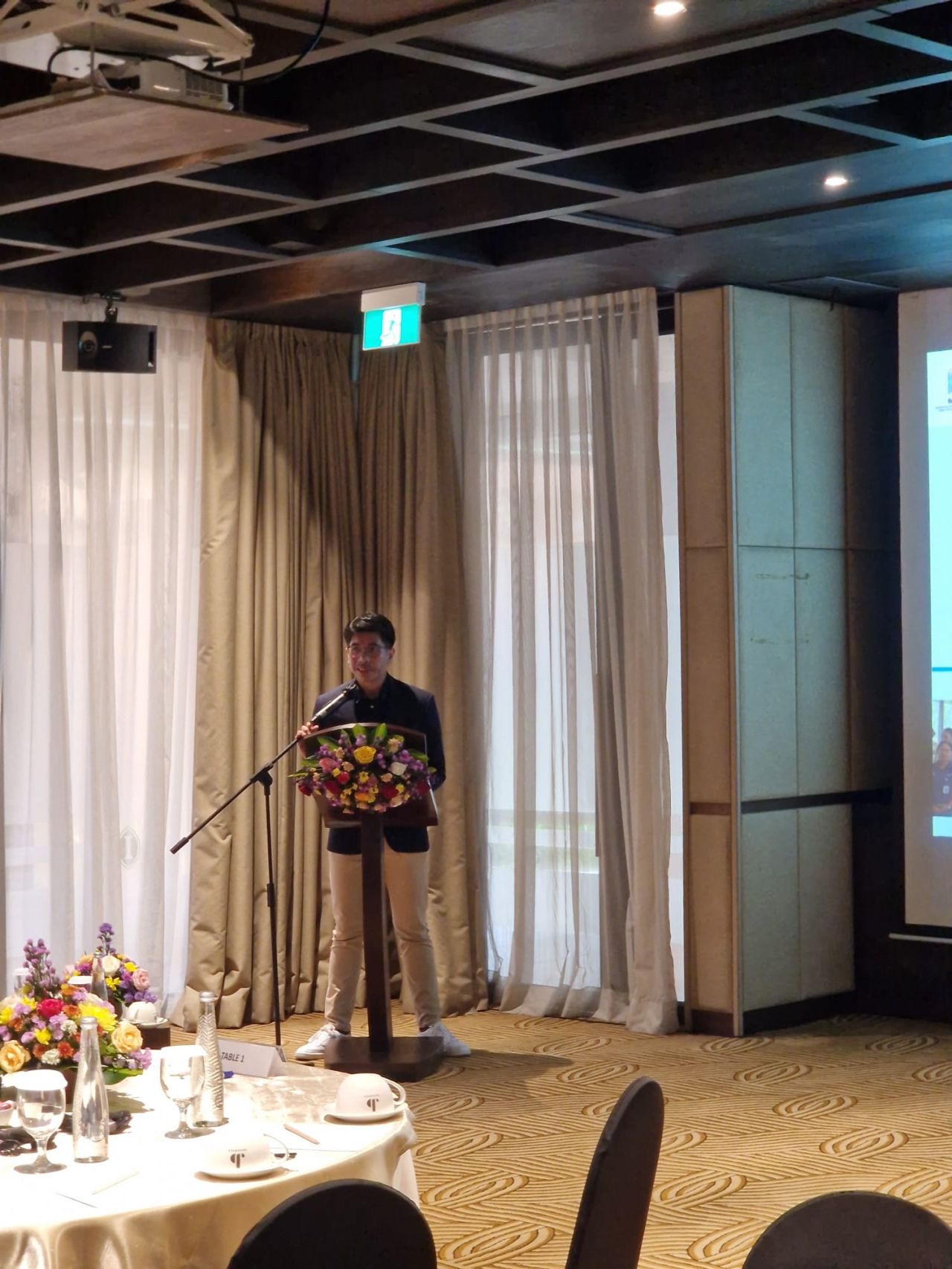
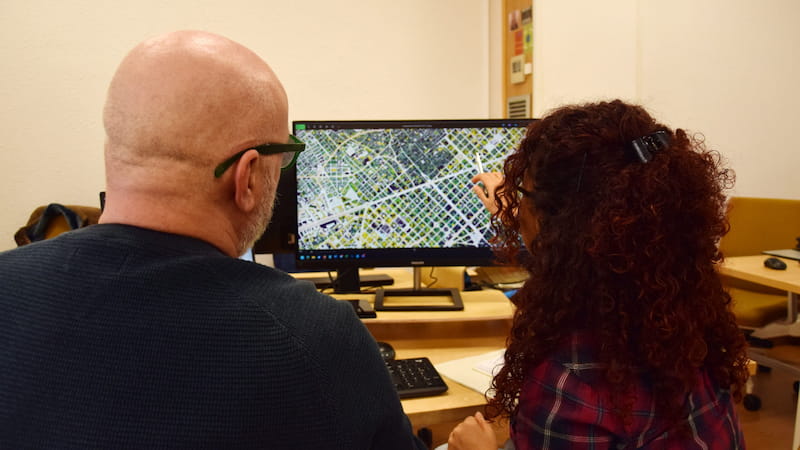
Mulia Andreas, Transport Researcher at CENIT – Innovation Unit in Transport at CIMNE – addresses participants.