



Researchers at the International Centre for Numerical Methods in Engineering (CIMNE) have proposed novel material solutions based on high-strength steels, composites and hybrid materials to reduce the weight of electric car chassis components by 40%.
The research was conducted as part of the European project Fatigue4Light, focused on researching new materials for zero-emission vehicle chassis while ensuring good fatigue performance. Experts obtained the best results in steels of high mechanical resistance, which, according to the study carried out, offer excellent mechanical behavior with the least impact on carbon footprint.
Despite the positive results, researchers at CIMNE’s Composites and Advanced Materials for Multifunctional Structures research group warn that the production of multimaterial solutions itself has a significant environmental impact.
The analysis results were presented during the project’s closing meeting, held virtually on Friday, where project partners shared their research findings.
Over three years, researchers from four countries, led by CIMNE, developed new methods of rapid experimental analysis and computational fatigue simulation to estimate the life of chassis components subject to wear and selected optimal materials for weight optimisation.
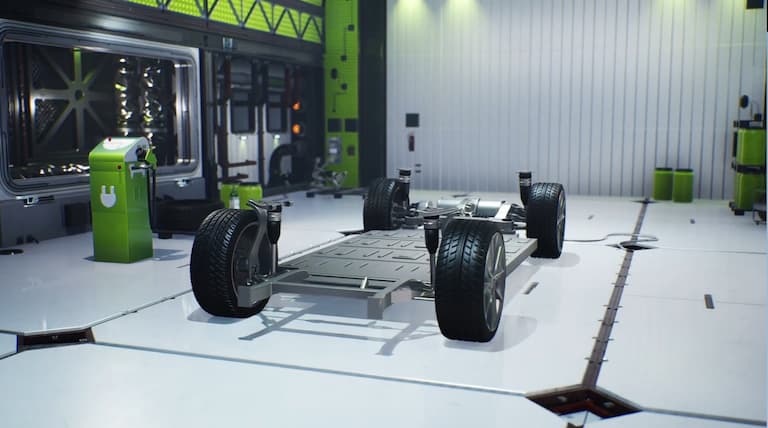
Started in 2021, the project was divided into four work phases. In the initial stages, experts identified new materials based on the exploration of steel, aluminium alloys, and combinations of composite materials. During the later phases, they worked on creating new virtual and experimental tools to optimize weight, validated with six laboratory and industrial-scale demonstrators.
Dr. Lucía Barbu, member of the Composite and Advanced Materials for Multifunctional Structures group, head of the Fatigue unit at CIMNE, and project coordinator, emphasized that the research considered “eco-design and circular economy criteria” to further reduce the environmental footprint of new electric vehicles.
According to Dr. Barbu, the improvement of fatigue simulation computational models will reduce the implementation time of new materials in chassis design for new vehicles, a “critical component” that currently accounts for “half of the weight” of electric cars, along with the vehicle frame.
In the words of the scientific director at the Technology Centre Eurecat, Daniel Casellas, the results from this project will “allow for a 10% reduction in the development of new chassis components for electric cars”. The results will also bring “new solutions” to reduce the chassis weight “up to 40%, using sustainable materials, such as high-strength steels”.
These solutions can be applied in other industrial sectors “that use components subjected to cyclic loads, such as the railway sector or renewable energies”.
The Fatigue4Light project involved three universities and research centres, six companies from the sector, and a regulatory body: Centro Ricerche Fiat, Luleå University of Technology, CLN Group, Profilglass, RISE – Research Institutes of Sweden, Politecnico di Torino, CIEFMA – Center for Research in Structural Integrity, Reliability and Micromechanics of Materials at the Technical University of Catalonia (UPC), Gestamp, UNE – Asociación Española de Normalización, ArcelorMittal, Eurecat – Technology Centre of Catalonia, and CIMNE.